A drain and a sewer are distinct parts of a property’s wastewater system, and understanding the difference is the first step to preventing costly backups and structural damage. This guide explains how drains and sewers work, how to diagnose clogs and main sewer failures, and which cleaning and repair options deliver the best long-term value. Homeowners and property managers will learn to recognize main sewer line clog signs, compare therapies like hydro jetting sewer work and drain snaking, and evaluate trenchless sewer repair versus open excavation. The guide also breaks down sewer drain cleaning cost ranges, outlines preventative drain maintenance schedules, and explains emergency sewer services 24/7 so you know when to act immediately. Throughout, the focus is practical: diagnostic checklists, step-by-step actions, method comparisons, and transparent cost factors to help you choose the right approach and avoid repeated repairs.
What Is the Difference Between a Drain and a Sewer?
A drain is a pipe or network of pipes that carry wastewater away from an individual fixture or building, while a sewer is a larger main line that transports that wastewater away from the property toward municipal treatment or a septic system. The drain’s purpose is local removal from sinks, tubs, and toilets; the sewer’s role is conveyance and disposal beyond the property boundary. Understanding this distinction clarifies responsibility lines: drain-level clogs often fall to the homeowner to diagnose, whereas main sewer failures can involve municipal interfaces or require professional sewer line repair. Knowing which system is affected speeds correct action and reduces needless excavation or expense.
How Does a Drain Function in Your Home’s Plumbing System?
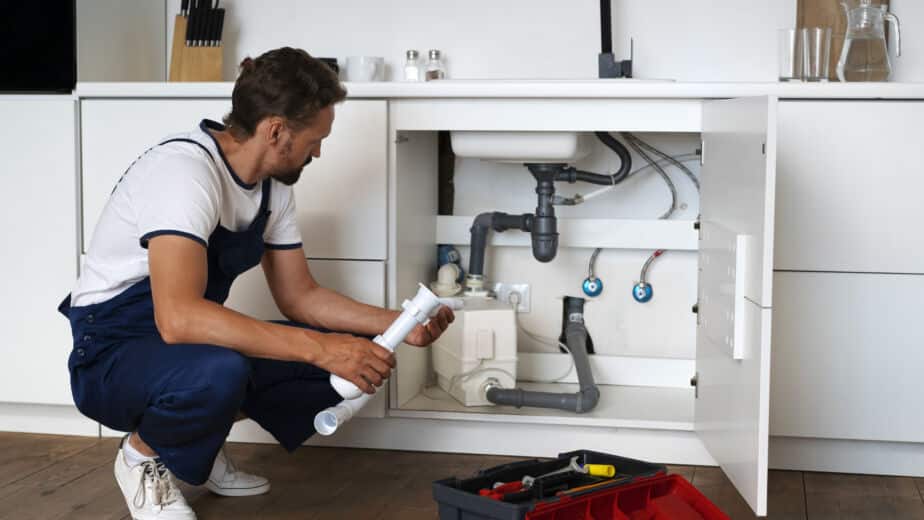
A drain routes wastewater from a fixture through progressively larger pipes until it reaches the main sewer line or septic connection, using gravity and trap seals to control flow and odors. Typical materials include PVC, ABS, cast iron, and older clay or cast-iron segments; each material has different failure modes such as corrosion, sediment buildup, or joint offsets. A sink drain clog from grease or hair usually shows as a single slow drain or localized backup, distinguishing it from a main sewer line issue. Performing quick checks—like inspecting cleanouts, testing multiple fixtures, and running a toilet flush—helps determine whether the problem is at the fixture level or farther downstream, which informs whether drain snaking or a camera inspection is the right next step.
What Is a Sewer and How Does It Connect to Drains?
A sewer is the main conduit that receives wastewater from a property’s internal drain network and carries it to a treatment system or septic field; connection points include the property lateral and a dedicated cleanout for service access. Municipal sewers are typically public infrastructure beyond the property boundary, whereas septic systems are private and require a septic tank and drainfield. Cleanouts, usually found near the foundation or yard, provide access for snaking and camera inspection and mark the boundary where homeowner responsibility often ends. Recognizing the cleanout location and whether your property ties to a municipal sewer or septic system is crucial before authorizing major repairs or trenchless interventions.
Key Differences Between Drains and Sewer Lines Explained
Drains are smaller, fixture-level pipes prone to hair, grease, and soap scum blockages; sewers are larger mains subject to root infiltration, offset joints, and structural collapse over time. Maintenance needs differ: drains benefit from periodic snaking and trap cleaning, while sewer mains often require hydro jetting, camera inspection, or trenchless repair when structural issues occur. Costs and disruption vary accordingly—fixture repairs are typically less invasive and less expensive than main-line replacements that may require excavation or trenchless methods. When multiple fixtures back up simultaneously or toilets and floor drains overflow, suspect the main sewer line and consider professional sewer camera inspection to guide the correct repair approach.
What Are the Common Causes and Signs of a Clogged Sewer Line?
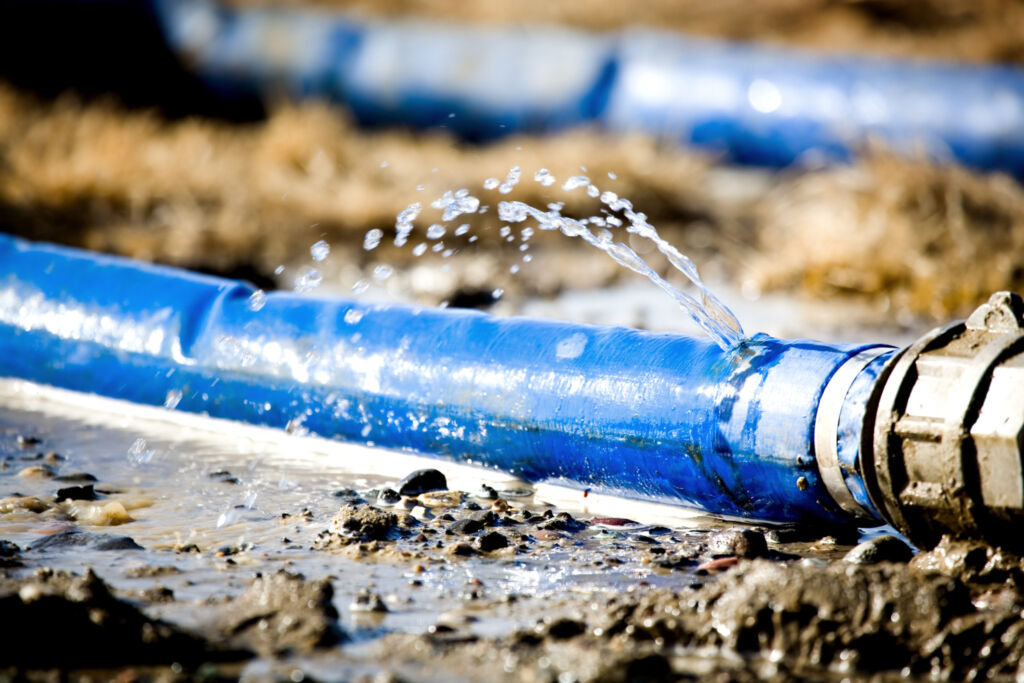
Main sewer clogs arise from distinct mechanisms such as tree root infiltration, accumulated grease and scale, foreign objects flushed or dropped into drains, and gradual structural failure like collapsed pipe segments. Signs that indicate a sewer line problem include multiple slow or backed-up fixtures, foul sewage odors in drains, toilets that gurgle or backflow, and sewage surfacing in floor drains or yard areas. Distinguishing between a single-fixture blockage and a main sewer issue determines whether you should attempt a DIY snake or call for professional sewer drain cleaning. Early diagnosis via visual checks and listening for gurgling helps prevent escalation to raw sewage backups and expensive repairs.
What Causes Sewer and Drain Clogs: Tree Roots, Grease, and Debris?
Tree roots seek moisture and exploited small cracks or joints in sewer mains, entering and growing inside pipes until flow is obstructed; this typically worsens over seasons and is common in older clay or cast-iron lines. Grease builds up progressively in kitchen drains, congealing into sticky deposits that trap food particles and reduce diameter until blockages form; this problem often begins at fixture-level drains and migrates downstream. Foreign objects, sanitary products, and mineral scale are additional contributors that accumulate over time and can interact—roots cling to greased surfaces and debris—creating complex blockages that require mechanical removal and sometimes hydro jetting sewer cleaning to clear thoroughly.
How to Recognize Signs of a Main Sewer Line Clog?
Multiple fixtures backing up simultaneously, especially toilets, showers, and floor drains, is a core indicator that the main sewer line has a problem rather than a single drain. Other warning signs include persistent gurgling sounds after flushing, sewage odors inside the house, slow drainage across several fixtures, and water pooling in the yard near a sewer lateral. Severity escalates from slow drains to full backups, and the presence of raw sewage or persistent odors demands immediate action due to health risks. Recognizing these signs early and arranging a sewer camera inspection can pinpoint the issue and prevent further property damage.
When Should You Call a Professional for Sewer or Drain Clogs?
Call a licensed professional when multiple fixtures are affected, when gurgling or sewage odors persist after basic checks, or if initial snaking fails to restore flow within a single attempt. Professionals have access to tools like drain snaking service-grade augers, hydro jetting machines, and sewer camera inspection equipment that safely and effectively diagnose and resolve main-line issues. Avoid repeated use of harsh chemical drain cleaners, which can damage pipes and complicate repairs; seek professional advice if a clog recurs within a short timeframe. Prompt professional intervention reduces the risk of contamination and structural damage and helps determine whether trenchless sewer repair or replacement is necessary.
What Are the Most Effective Drain and Sewer Cleaning Methods?
Effective cleaning methods include mechanical snaking for localized obstructions, hydro jetting sewer cleaning for heavy grease and root intrusion, sewer camera inspection for diagnosis, and enzymatic cleaners as a safer maintenance option compared with harsh chemicals. Choosing the right method depends on clog type, pipe material, pipe age, and whether the issue is localized or systemic. Combining a sewer camera inspection with cleaning allows technicians to confirm that an obstruction has been removed and to assess pipe condition for possible repairs. Understanding the mechanisms and tradeoffs of each method helps homeowners select the approach that minimizes repeat blockages and long-term cost.
How Does Hydro Jetting Drain Cleaning Work and What Are Its Benefits?
Hydro jetting uses a high-pressure water stream to scour pipe walls, remove grease, biofilm, and light root intrusions, and restore full internal diameter without chemicals. This method is highly effective for mains with heavy grease buildup or roots and often yields longer-lasting results compared with mechanical snaking because it cleans the pipe surface rather than merely creating a hole through the clog. Hydro jetting is powerful and should be used carefully on older or brittle pipes that could be damaged by pressure, so a prior camera inspection is advisable to assess pipe integrity. When used appropriately, hydro jetting reduces recurrence and improves overall wastewater flow, making it a preferred option for chronic main-line fouling.
A global survey indicates that water jetting, utilizing pressures between 1,500 and 2,000 psi, is a common method for clearing sewer blockages.
Global Survey: Sewer Cleaning and Maintenance Techniques
to clear sewer blockages is by employing 1,500 to 2,000 psi (10.3 to 13.8 MPa) water jetting. The In summary, those participated in the survey communicated wide ranging criteria.
Lessons from the Global Survey of Sewer Cleaning and Maintenance, 2017
What Is Drain Snaking and When Is It Used?
Drain snaking mechanically pierces and extracts localized blockages such as hair, small debris, and minor scale using a rotating auger or cable; it is often the first-line approach for sink or shower backups. Snaking is cost-effective for many fixture-level clogs and can be executed as a DIY tactic for accessible traps, but professional-grade snakes handle longer runs and tougher obstructions in the main lateral. Limitations include reduced effectiveness against heavy grease layers and extensive root masses, where snaking may only temporarily restore flow. For suspected root intrusion or systemic blockages, snaking should be followed by a camera inspection or hydro jetting sewer cleaning to verify pipe condition.
How Does Sewer Camera Inspection Help Diagnose Problems?
A sewer camera inspection deploys a flexible camera head through a cleanout to capture live video of pipe interior conditions, revealing cracks, offsets, root intrusion, and exact clog locations. This diagnostic step avoids guesswork, prevents unnecessary excavation, and provides visual evidence to guide trenchless sewer repair or targeted excavation when needed. Camera inspection also verifies the success of cleaning methods—confirming whether hydro jetting or snaking fully removed obstruction and assessing remaining pipe degradation. Integrating camera inspections into the workflow improves repair accuracy, helps prioritize corrective actions, and documents findings for insurance or home-sale disclosures.
Introductory explanation: the table below compares common cleaning methods by effectiveness, typical cost range, ideal use-case, and risks to help owners choose the right approach. The table emphasizes mechanistic differences and practical tradeoffs among available options.
| Cleaning Method | Typical Mechanism | Typical Cost Range | Ideal Use-Case | Primary Risk |
|---|---|---|---|---|
| Hydro Jetting | High-pressure water scours pipe walls | $300–$800+ | Heavy grease, root intrusion, main-line cleaning | Potential damage in fragile/old pipes |
| Drain Snaking | Mechanical auger breaks or extracts blockage | $100–$300 | Localized fixture clogs (hair, debris) | Temporary fix for systemic issues |
| Sewer Camera Inspection | Visual diagnostic with push/roto camera | $150–$400 | Diagnose hidden defects before repair | Missed issues if not combined with cleaning |
| Enzymatic/Bio Cleaners | Biological enzymes degrade organic buildup | $20–$80 (retail) | Preventative maintenance, mild grease | Slow acting; not for major clogs |
This comparison highlights that hydro jetting and camera inspection together offer definitive cleaning and diagnosis for major sewer problems, while snaking and enzymatic products suit localized or preventative tasks.
How Much Does Sewer Drain Cleaning and Repair Cost?
Sewer drain cleaning and repairs vary widely based on method, access, severity, and whether emergency response is required; typical residential drain cleaning ranges are lower than main-line repairs and trenchless solutions. Factors that influence sewer drain cleaning cost include line length, accessibility, presence of roots or collapse, required diagnostics (camera inspection), and whether landscaping or slab excavation will be needed. Presenting clear cost bands helps homeowners set expectations and compare quotes without being surprised by add-on fees. Understanding average ranges and the drivers behind them empowers informed decisions between snaking, hydro jetting sewer work, trenchless sewer repair, or full replacement.
What Is the Average Cost of Sewer Drain Cleaning Services?
Basic drain snaking for a common fixture clog typically ranges from $150 to $450 depending on region and accessibility, and that service often includes removing trap clogs and minor obstruction clearing. More comprehensive cleaning that includes a brief camera check or longer auger runs may fall toward the upper end of that range; businesses vary in what they bundle. Homeowners should confirm whether quotes include travel fees, camera inspection, and post-cleaning verification. When the initial snaking fails or multiple fixtures are affected, expect higher diagnostic and remediation fees and consider a camera inspection to avoid repeated service calls.
Introductory explanation: the table below summarizes typical cost bands for common services and the factors that commonly alter those ranges.
| Service Type | Typical Range | Notes on Cost Drivers |
|---|---|---|
| Basic drain snaking | $150–$450 | Access, duration, and one-time vs recurring issue |
| Main sewer cleaning (snaking) | $200–$600 | Line length, roots, ease of cleanout access |
| Hydro jetting sewer | $300–$1,200 | Severity of buildup, equipment time, access |
| Sewer camera inspection | $150–$400 | Video length and report detail |
| Trenchless repair (lining) | $1,800–$8,000+ | Length of pipe, entry/exit access, prep work |
| Full replacement (open-cut) | $3,000–$15,000+ | Depth, under-slab work, landscaping restoration |
This cost table shows method selection dramatically affects price; choosing an appropriate diagnostic step (camera inspection) can prevent unnecessary high-cost excavation.
How Much Does Main Drain Cleaning Typically Cost?
Main drain cleaning using snaking commonly falls between $200 and $600, while hydro jetting main-line cleaning generally ranges from $300 to $1,200 or more depending on pipe length and obstruction severity. Hydro jetting tends to cost more upfront but often reduces recurrence, offering better long-term value for grease and root problems. Additional costs arise for camera inspection, extended root cutting, and difficult access situations that require excavation or special equipment. When comparing quotes, confirm whether the provider includes post-cleaning camera verification and whether they offer warranty periods for reoccurrence.
What Factors Affect Sewer Line Repair and Replacement Costs?
Key cost drivers include pipe material and diameter, depth and location (under slab vs yard), degree of structural damage, required permits, and landscape or driveway restoration after excavation. Trenchless methods reduce surface disruption but may have material or access prerequisites that affect price; conversely, full replacement can be more predictable when pipes are severely compromised. Time of service and emergency rates elevate cost, as do environmental mitigation needs and local permitting requirements. Inspecting the pipe via camera inspection before committing to repair provides crucial data to estimate accurate costs and weigh trenchless lining vs pipe bursting or open-cut replacement.
Are Emergency Drain and Sewer Services More Expensive?
Yes—emergency service calls typically include after-hours premiums or emergency surcharges, which can range from a modest percentage to double standard rates depending on provider policies and local market norms. Emergency response is justified when raw sewage is entering living spaces, when widespread backups create health risks, or when major property damage is imminent; in these scenarios, higher costs may prevent far greater losses. To minimize emergency costs, maintain preventative schedules and keep clear access to cleanouts so technicians can act quickly. When arranging emergency service, request transparent estimates and clarify whether temporary measures (bypass pumping, temporary patches) will be replaced by permanent repairs at a later scheduled appointment.
What Are the Options for Sewer Line Repair and Replacement?
Options include targeted spot repairs, trenchless sewer repair (pipe lining and pipe bursting), and traditional open-cut excavation with full replacement; each approach differs in disruption, cost, and lifespan. Choosing among these options depends on pipe condition revealed by sewer camera inspection, site constraints, long-term goals, and budget. Trenchless methods often preserve landscaping and structures by minimizing surface excavation, but they may reduce internal diameter or require specific entry points. Evaluating pros and cons and matching them to site conditions ensures the chosen method balances longevity with acceptable disruption.
What Is Trenchless Sewer Repair and How Does It Compare to Traditional Methods?
Trenchless sewer repair includes cured-in-place pipe lining (CIPP) and pipe bursting; lining inserts a resin-saturated sleeve that cures in place to form a new pipe within the old one, while bursting breaks the existing pipe and pulls a new pipe into place. Compared with traditional open-cut excavation, trenchless methods substantially reduce surface disruption, restore flow faster, and often lower landscaping restoration costs. Limitations include slight diameter reduction with lining and equipment access requirements for pipe bursting, as well as higher upfront material costs in some cases. When camera inspection shows continuous but non-collapsed pipe with localized defects, trenchless lining can be the most economical long-term choice.
This paper aims to compare trenchless technology with traditional open-cut trench excavation, examining sewers rehabilitated using various trenchless methods.
Sewer Rehabilitation: Trenchless Technology vs. Open Cut Excavation
This paper intends to compare the trenchless technology with traditional open cut trench excavation. In this study, sewers rehabilitated with the use of different trenchless methods were
Example of sewerage system rehabilitation using trenchless technology, E Tomczak, 2017
Introductory explanation: the table below compares repair approaches by pros, cons, and typical lifespan estimates to clarify decision factors between trenchless and traditional repairs.
| Repair Option | Pros | Cons | Typical Lifespan |
|---|---|---|---|
| Trenchless lining (CIPP) | Minimal digging, faster completion | Slight diameter loss, prep required | 25–50 years |
| Pipe bursting | Full pipe replacement without trenches | Requires access pits and favorable soil | 50+ years (new pipe) |
| Open-cut excavation | Full replacement with flexible pipe choice | Major surface disruption and longer time | 50+ years (new materials) |
This comparison shows trenchless options excel at reducing surface impact while traditional excavation remains necessary for severely collapsed or uniquely located pipes.
When Is Sewer Line Replacement Necessary?
Replacement is warranted when camera inspections reveal severe structural failure, such as collapsed sections, multiple offsets, pervasive root destruction, or repeated repairs that fail to restore long-term service. Replacement may also be more cost-effective than repeated short-term fixes when repair frequency indicates widespread pipe degradation. Under-slab and deep-line scenarios increase complexity and often dictate trenchless or specialized excavation techniques that raise cost. Using inspection history and lifecycle reasoning helps determine whether replacement yields better lifetime value compared with ongoing repair expenditures.
What Are the Pros and Cons of Pipe Lining vs. Pipe Bursting?
Lining is less disruptive and preserves surface landscaping by forming a new pipe inside the old one, making it suitable for many aging but intact pipes; however, lining reduces internal diameter slightly and may not address severe misalignment. Pipe bursting replaces the pipe fully with a new product, restoring full diameter and flow while still avoiding long trenches, but it requires entry pits and favorable existing conditions for bursting equipment. Lining typically has shorter setup and restoration needs, while bursting offers a complete replacement in one pass; warranty terms and expected lifespan differ by material and installer. Choosing between the two depends on pipe condition, diameter needs, and site logistics.
How Can You Prevent Drain and Sewer Problems with Regular Maintenance?
Regular maintenance includes scheduled cleanings, camera inspections at recommended intervals, and daily homeowner habits that limit grease and debris entry into drains; these steps reduce the likelihood of main sewer line clogs and the need for emergency sewer services. Targeted preventative drain maintenance prevents accumulation of grease, hair, and scale and interrupts the conditions that invite root penetration. Professional inspections detect early-stage defects that small repairs or relining can correct before extensive replacement becomes necessary. A combination of homeowner practices and periodic professional service is the most cost-effective strategy for long-term sewer system health.
What Is the Recommended Maintenance Schedule for Main Sewer Lines?
For most residential properties, a main sewer line inspection and cleaning every 18–24 months is a practical baseline, with more frequent service for older lines, properties with mature trees, or homes with heavy usage patterns. High-risk properties—those with known root problems, older clay pipes, or frequent minor backups—should consider annual inspections and cleaner intervals to catch issues early. Documenting inspection results and corrective actions creates a maintenance history that helps evaluate whether trenchless repair or replacement is becoming imminent. Consistent preventative schedules reduce emergency callouts and the cumulative cost of repeated repairs.
What Are Effective Preventative Tips for Healthy Drains and Sewers?
Adopt daily habits and inexpensive devices that limit clog formation and preserve pipe integrity to minimize the need for major sewer interventions. Use drain strainers in sinks and showers to catch hair and food particles, avoid pouring grease down kitchen drains, and dispose of wipes and sanitary products in trash rather than flushing. Plant trees away from sewer laterals and consider root barriers if trees are near lines, and use enzyme-based cleaners periodically as a gentle maintenance measure. These practices, combined with scheduled professional cleanings, reduce the frequency of main-line clogs and extend pipe service life.
- Use strainers: Catch hair and food debris before it enters drains.
- Dispose of grease properly: Let it solidify and discard rather than pouring down drains.
- Avoid flushing non-degradable items: Place wipes and sanitary products in the trash.
- Space trees away from lines: Reduce root intrusion risk near sewer laterals.
Consistent application of these tips lowers the risk of severe blockages and helps maintain normal flow until scheduled professional inspections.
Why Are Professional Inspections Important for Sewer System Health?
Professional inspections detect hidden defects—cracks, offsets, corrosion, and root intrusion—before they manifest as backups or structural collapse, enabling targeted repairs that are less expensive than full replacement. Inspection data guides repair selection (snaking, hydro jetting, lining, bursting, or excavation) and provides documentation for insurance claims or real-estate transactions. Early detection via camera inspection also facilitates planning: scheduling less disruptive trenchless repairs before failure and preserving landscaping value. Investing in periodic professional diagnostics yields a positive ROI by preventing emergency responses and prolonging pipe lifespan.
What Emergency Drain and Sewer Services Are Available 24/7?
Emergency services typically include rapid snaking to clear immediate blockages, portable hydro jetting for urgent heavy obstructions, bypass pumping to manage flow during repairs, and temporary patches to contain leaks until permanent repair is scheduled. Emergency responders also perform camera inspections onsite to determine the cause and extent of failure and recommend immediate containment steps. Knowing what emergency sewer services entail and when they are appropriate helps homeowners choose rapid mitigation that minimizes health hazards and property damage. Understanding the technologies used and what to expect from an emergency visit reduces uncertainty during high-stress situations.
How to Identify When You Need Emergency Sewer or Drain Services?
Immediate emergency service is required when raw sewage is backing into living spaces, when multiple fixtures overflow uncontrollably, or when flooding creates a health hazard that cannot be contained by household measures. Other emergency indicators include rapidly rising water in toilets or floor drains, visible sewage in the yard near the sewer lateral, and strong sewage odors accompanied by symptoms of contamination. In these situations, prioritize safety: avoid contact with contaminated water, ventilate enclosed spaces if safe, and shut off water where possible while contacting emergency responders. Timely emergency intervention prevents property loss and reduces health risks.
What Technologies Do Professionals Use in Emergency Repairs?
Emergency crews employ portable hydro jetters for immediate scour, pumps for bypassing flow, rapid camera diagnostics to locate failures, and trenchless emergency patches or clamps to stop leaks until permanent repairs are scheduled. Portable locator equipment helps technicians find cleanouts, laterals, and buried access points quickly, reducing time spent exposing lines. These technologies allow technicians to stabilize the situation rapidly and recommend follow-up trenchless or open-cut repairs based on the camera-inspection findings. Rapid deployment of the right tools minimizes contamination spread and prepares the site for definitive repair.
How to Choose a Reliable Emergency Drain and Sewer Service Provider?
When vetting emergency providers, confirm licensure and insurance, ask about documented response times and emergency surcharges, and request clarity on diagnostic steps they will perform during the initial visit. Ask whether the provider includes camera inspection as part of the emergency assessment and whether temporary measures are guaranteed or will be followed by scheduled permanent repairs. Transparency in pricing, documented response windows, and clear communication about expected next steps indicate providers with reliable emergency protocols. Prioritize providers who explain containment measures and safety steps to protect occupants during urgent interventions.
- Key vetting questions to ask providers during an emergency call:
Are you licensed and insured to perform emergency sewer repairs?
What is your typical response time and emergency surcharge policy?
Will you perform a camera inspection and provide a repair recommendation?
Do you document the emergency actions and provide follow-up scheduling?
These questions help ensure immediate safety and establish expectations for permanent repairs after the emergency stabilization.