The washer clicks into its drain cycle. A minute later, water is spreading across the laundry room floor, soaking the rug and creeping toward the boxes you meant to move months ago. Now you’re grabbing towels with one question: is this a quick fix or something bigger?
If you have a washing machine drain overflowing when it drains, the drain can’t keep up with the water the washer pumps out. Usually, lint and soap scum have narrowed the standpipe or trap. Sometimes the standpipe is too short or narrow for a modern washer, or the problem sits deeper in your main line, cesspool, or sewer. This guide shows you how to spot the cause, what you can safely fix yourself, and when to call a plumber before a spill becomes water damage.
Why Is Your Washing Machine Drain Overflowing When It Drains?
A washing machine drain overflowing when it drains almost always points to one of four causes. The fix depends on how far down the problem sits, so locating the blockage comes first.
Lint and Soap Scum Pipe Buildup in the Standpipe
Soap scum pipe buildup is the most common culprit. Detergent residue, fabric softener, and lint coat the standpipe and trap, narrowing the pipe until it can’t handle a full drain cycle. Too much detergent, especially regular detergent in an HE machine, speeds this up.
A Clog in the Branch Line
If the standpipe is clear, the laundry drain clog may be in the branch line connecting your laundry room to the main stack.
Main Line or Sewer Restrictions
When other fixtures act up at the same time, look further down. Tree roots, a sagging pipe, or buildup in your lateral to the street often show up first at the laundry drain.
Cesspool and Septic Backups
Much of Suffolk County and parts of Nassau rely on cesspools and septic systems rather than municipal sewer. A full or failing cesspool can’t accept a washer’s discharge, and the laundry drain is often where you’ll see it first. Comparing the warning signs of cesspool backup symptoms vs. sewer line backups will give you clarity on what actions to take.
How a Washing Machine Drains and Why Speed Matters
Your washer doesn’t let water trickle out by gravity. A pump pushes it out fast, through the drain hose and into a vertical pipe called a standpipe, which feeds a trap and then your home’s drain lines. If any part of that path is restricted, water rises out of the top of the standpipe. A partial blockage may handle a bucket of water but fail under the pump’s full discharge.
Codes based on the International Plumbing Code, which New York State’s plumbing code follows, generally call for a 2-inch standpipe rising between 18 and 42 inches above the trap. Short or 1½-inch standpipes in older laundry rooms often can’t keep up with modern washers.

How to Tell Where the Problem Is
Watching the rest of your house during the drain cycle narrows down the cause quickly. These checks help you decide between a DIY fix and a service call.
- Only the standpipe overflows: likely a standpipe or trap clog
- A nearby sink gurgles or backs up: likely a shared branch line clog
- Toilets gurgle or a basement floor drain bubbles: likely a main line, sewer, or cesspool problem
- Overflow only on large loads: possibly an undersized or too-short standpipe
- Suds at the top of the standpipe: likely too much detergent
Safe Fixes You Can Try Yourself
If only the standpipe is affected, you may not need a plumber. A one-time spill after an oversized load is often just a sudden problem.
Turn off the washer and pull the drain hose out of the standpipe. Remove any lint you can reach, run a small hand auger through the standpipe and trap, then flush with hot water and test with a short rinse cycle.
Going forward, use less detergent, choose HE detergent for HE washers, and add a mesh lint trap to the drain hose. If you’re on a cesspool or septic system, the EPA’s septic system care guidance recommends spreading laundry loads across the week.
Call a plumber if the auger fails, other fixtures are involved, or the overflow returns.
What Professional Laundry Drain Service Involves
A plumber confirms where the restriction is, then clears it with equipment sized for the job. That might mean a heavier drain cable for a branch line or hydro jetting to strip soap scum and grease from the pipe walls.
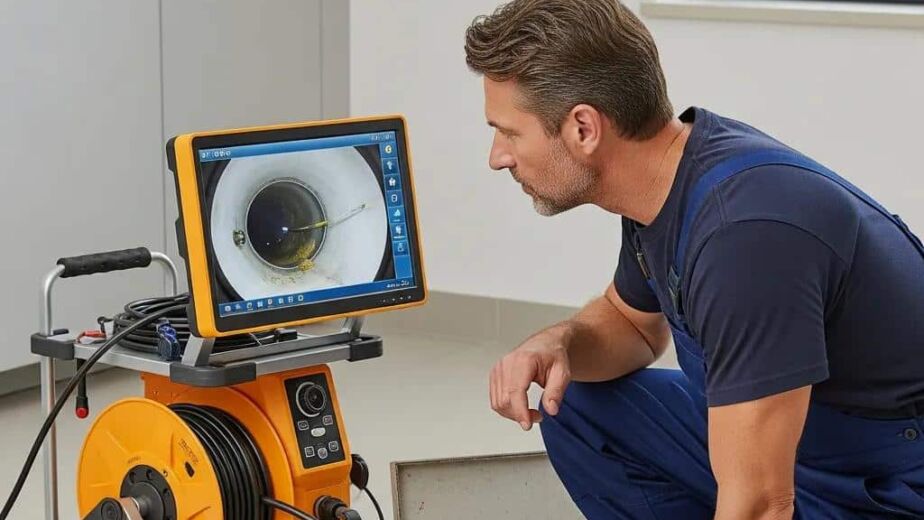
When the problem looks deeper, a sewer camera inspection shows whether roots, a collapsed section, or a belly in the pipe is causing the backup. Professional drain cleaning in Nassau County and across Suffolk can often be scheduled the same day.

What Affects the Cost of Fixing a Laundry Drain
The price depends mostly on where the clog is and what it takes to clear it. A standpipe clog cleared with a cable is the simplest job, while main line work, camera inspection, or pipe replacement costs more.
Factors that affect your quote include:
- Location of the blockage, from standpipe to main line
- Clearing method, such as cabling or hydro jetting
- Whether a camera inspection is needed
- After-hours or emergency timing
Ask for an upfront quote before work begins.
Laundry Room Flooding Risks You Shouldn’t Ignore
An overflowing standpipe can do more damage than a puddle suggests. Many Long Island homes have laundry in finished basements, where repeated overflow soaks drywall, subfloors, and carpet and can lead to hidden mold.
If you suspect water has reached walls or floors, leak detection and repair can find the damage before it spreads. A drain pan and leak alarm catch the next overflow early.
Common Mistakes to Avoid
Quick fixes that miss the real cause often make laundry drain problems worse.
- Pouring chemical drain cleaner down the standpipe can damage older pipes and won’t break up lint, so use a hand auger and inspect
- Sealing the drain hose tightly into the standpipe removes the air gap and can siphon dirty water back into the washer, so leave the hose loose and clipped in place
- Using too much detergent builds suds and soap scum that narrow the pipe, so measure by the label
- Ignoring gurgling toilets or floor drains lets a main line or cesspool problem grow, so have the whole system checked
- Running back-to-back loads on a struggling cesspool overloads it, so spread laundry out until it’s inspected
Frequently Asked Questions
Why Does My Washer Drain Only Overflow During the Spin Cycle?
The drain pump moves the most water, fastest, as the washer heads into spin. A standpipe narrowed by lint or soap scum may handle a slow trickle but not that surge, so water backs up and spills over the top. Overflow that shows up only at this stage usually points to a partial clog or an undersized standpipe.
Should I Keep Using My Washer If the Drain Overflows?
No. Each load sends more water into a line that can’t handle it, which can flood your floor or push a main line backup into other fixtures. Pause laundry until the clog is cleared or the drain has been inspected by a plumber.
Is It Safe to Run My Washer Into a Utility Sink?
It can be, and many laundry rooms are set up this way. Clip the hose securely so it can’t jump out, and leave an air gap above the drain. Use a mesh lint trap on the hose, since lint collects quickly in a sink drain. If the sink fills faster than it empties, its drain is too small or partly clogged, and a standpipe is the better option.
Can I Extend a Short Standpipe Myself?
If you’re comfortable with basic PVC work, adding a section to a 2-inch standpipe is a manageable DIY job. Keep the total height within 18 to 42 inches above the trap weir. Don’t seal the hose airtight inside the pipe, because that can siphon water out of the washer. Extending won’t fix a clog or a 1½-inch pipe, though. For those, call a plumber, and check whether your town requires a permit.
Does Homeowners Insurance Cover Laundry Overflow Damage?
It depends on the cause and your policy. Most policies cover sudden, accidental water damage, such as a burst supply hose. They often exclude damage from gradual leaks and lack of maintenance. Backups from drains or sewers usually need a separate water backup endorsement. Review your policy or call your agent before you file a claim, and photograph the damage first.
Get Your Laundry Drain Flowing Again
If a hand auger didn’t solve it or other drains are acting up, book a professional inspection.
At All Island Plumbing, Heating & Cooling, we help Long Island homeowners, landlords, and businesses fix a washing machine drain overflowing when it drains before it causes water damage. Our licensed and insured technicians find the real source, whether it’s soap scum in the standpipe, a branch line clog, or a cesspool restriction.
We use professional drain cleaning equipment and camera inspections, with upfront pricing before work starts. With 24/7 emergency service across Nassau and Suffolk, we’re ready when your laundry room can’t wait.
Keep your floors dry with a team Long Island trusts.