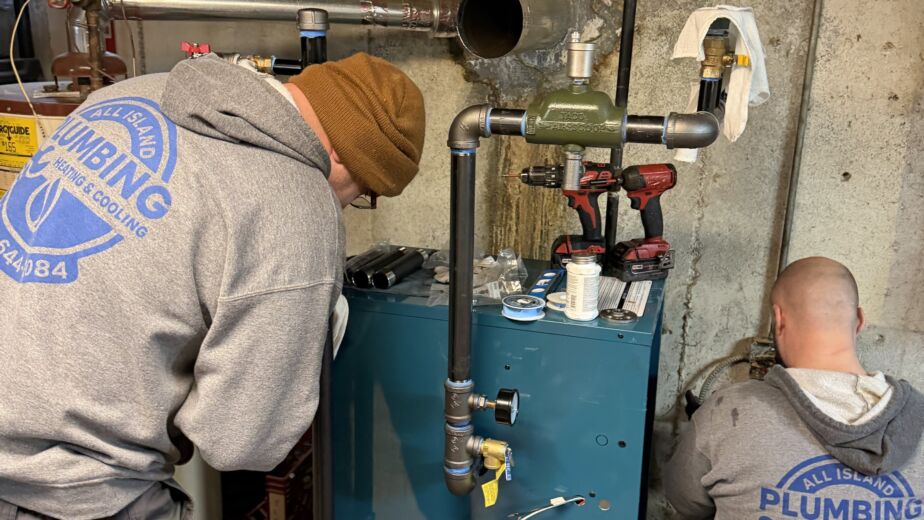
Plumbing emergencies demand immediate, expert action to limit damage and restore safe water and sanitation. Nassau County homeowners and businesses need clear steps they can take the moment a problem appears. This guide explains the most common emergency plumbing scenarios in Nassau County, practical first-response actions to minimize loss, preventive measures tailored to local climate and older housing stock, and options for commercial emergency readiness. For urgent help, All Island Plumbing, Heating & Cooling LLC offers 24/7 emergency plumbing response; call (631) 644-2084 for immediate dispatch and fast on-site assessment. The content below focuses on how to identify true emergencies, what to do now, and how licensed, insured pros handle repairs, while also showing how property owners can reduce risk over time. First, we define common emergency types, then explore company response capabilities, immediate homeowner actions, prevention strategies, business-focused services, service-area coverage, and concise FAQs that answer cost, timing, and verification questions. Read on to learn exact steps, tools, and expectations that help you respond effectively when time and safety matter most.
What Are the Most Common Plumbing Emergencies in Nassau County?
Plumbing emergencies in Nassau County most often include sudden burst pipes, water heater failures, sewer backups, and severe drain clogs; each of these can rapidly escalate into structural damage, health hazards, or business downtime if not addressed quickly. Local factors such as cold snaps that produce frozen pipes, older pipe materials in legacy homes, and heavy-root infiltration of sewer lines increase the frequency and severity of these problems. Recognizing the typical signs—gushing water, no hot water accompanied by leaking, sewage odors or backed-up fixtures, or standing water near fixtures—lets residents prioritize immediate actions and call professional help. Below is a concise list of the most common emergency types with one-line descriptors for quick reference and featured-snippet readiness.
Common emergency types in Nassau County include:
- Burst pipes: Rapid, high-volume leaks that flood spaces and require immediate shutoff and repair.
- Water heater failures: Leaks, no hot water, or gas/electrical issues that threaten scalding or flooding.
- Sewer backups: Sewage entering fixtures that pose health risks and need professional remediation.
- Severe drain clogs: Obstructions causing overflow and potential property damage if not cleared quickly.
These emergency categories lead directly to detailed criteria for distinguishing true emergencies from minor issues and to targeted mitigation steps that follow.
Which Issues Qualify as Emergency Plumbing Situations?
An emergency plumbing situation is any failure that presents immediate risk to property, health, or safety, or that causes uncontrolled water flow or sewage exposure. Typical emergency criteria include flooding or rapidly spreading leaks, sewage backing into living spaces, gas-smelling combustion appliances tied to plumbing/heating systems, and electrical hazards caused by water contact. If a situation threatens structural elements, electrical systems, or human health, it meets the emergency threshold and requires calling a 24/7 emergency plumber without delay. Understanding these criteria helps homeowners decide when to shut off water and power and when to perform only temporary containment until professionals arrive.
How Do Burst Pipes Impact Nassau County Homes and Businesses?
Burst pipes can release hundreds of gallons of water per hour, quickly soaking floors, walls, and ceilings and creating conditions for mold growth and structural weakening. In Nassau County’s older housing stock, saturated insulation and plaster can complicate repairs and increase restoration costs, while businesses face interrupted service and customer impacts that reduce revenue until systems are restored. Immediate mitigation—shutting off the main water supply, draining fixtures, and moving valuables—reduces exposure and helps insurers and contractors evaluate damage more effectively. Rapid professional repairs not only stop the water but also inspect for hidden damage, minimizing long-term consequences and business downtime.
What Are the Signs of a Water Heater Emergency?

Signs of a water heater emergency include sudden loss of hot water, visible leaking at the tank base or connections, unusual banging or popping noises indicating sediment build-up, and pooling or discolored water near the unit. If the unit is powered electrically, water near electrical components creates shock and fire risks; if gas-powered, any unusual odor or yellowing flame requires immediate attention and possible shutoff. When these signs appear, turn off water and power/gas sources to the heater if safe to do so, then contact an emergency technician to evaluate whether repair or replacement is necessary. Early recognition prevents secondary damage such as ceiling collapses or water-driven corrosion of nearby systems.
How Do Sewer Backups and Clogged Drains Create Urgent Plumbing Needs?
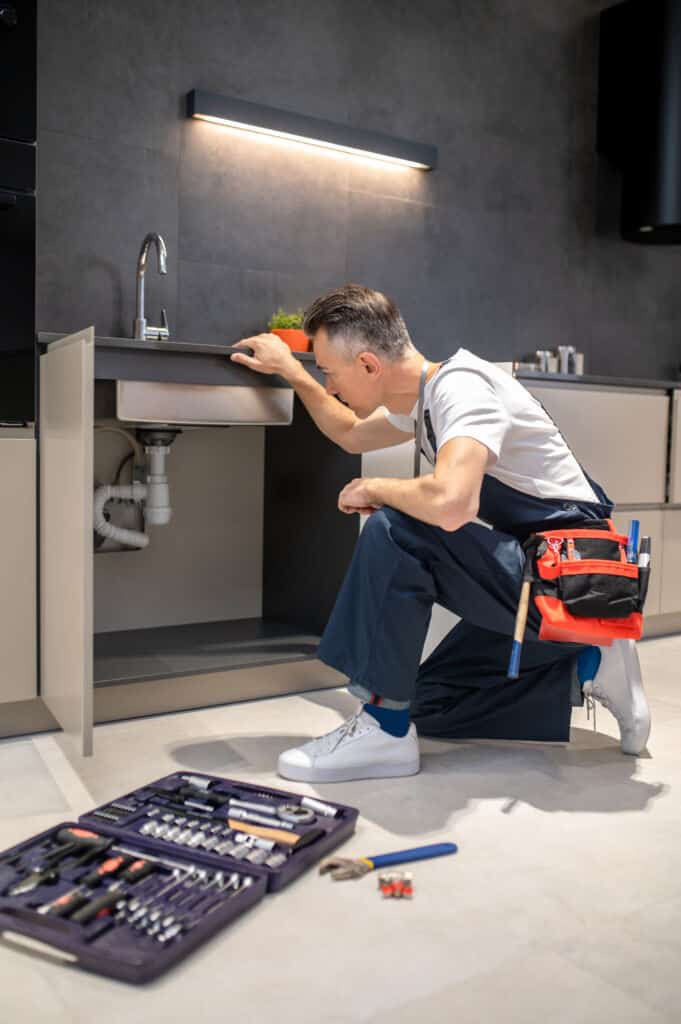
Sewer backups and severe clogs create urgent health and sanitation hazards by bringing raw sewage or contaminated water into occupied spaces, often producing strong odors and visible ejecta at fixtures or drains. Causes include tree-root intrusion, collapsed sewer mains, grease and debris buildup, and municipal sewer surges during heavy rain; each cause affects remediation approach and timeline. Immediate steps focus on isolation—avoiding use of affected fixtures, shutting off sump pumps if impacted, and containing contaminated areas—because DIY methods can worsen blockages or spread contamination. Professional sewer services employ specialized equipment and safety procedures to clear lines, sanitize affected zones, and identify whether larger municipal or lateral repairs are required.
How Does All Island Plumbing Provide 24/7 Emergency Plumbing Services in Nassau County?
All Island Plumbing, Heating & Cooling LLC structures emergency response around licensed technicians, on-call dispatch, and transparent customer communication to reduce downtime and limit property damage. Their model emphasizes rapid triage over the phone, prioritized dispatching for high-severity events, and documented on-site assessments that explain required repairs and cost expectations before work begins. Being licensed and insured ensures that repair work follows local codes and that customers have recourse if something goes wrong, while 24/7 availability addresses emergencies outside typical business hours. Below is an EAV-style comparison to clarify common emergency services, expected response windows, and typical causes.
| Emergency Service | Typical Response Time | Required Equipment | Common Causes |
|---|---|---|---|
| Burst pipe repair | 30–90 minutes | Pipe cutters, clamps, pumps | Freezing, corrosion, impact damage |
| Sewer backup clearing | 45–120 minutes | Sewer machines, cameras, hydrojet | Roots, grease, collapsed lines |
| Water heater emergency repair | 30–90 minutes | Tank wrenches, leak seals, gas/electrical tools | Corrosion, element failure, sediment |
| Emergency drain cleaning | 30–90 minutes | Drain snakes, augers, hydrojet | Hair, grease, foreign objects |
What Makes Our Licensed and Insured Plumbers Trusted in Nassau County?
Licensed and insured plumbers reduce risk for customers by ensuring technicians meet regulatory standards and that liability is covered if accidental damage occurs during emergency repairs. Licensing verifies professional training and code knowledge, while insurance protects property owners from on-site accidents and unforeseen consequences of repairs. Customers can request license numbers and proof of insurance, and reputable providers explain credentials as part of the on-site introduction. Trust also grows from transparent communication: technicians that describe diagnostics, options, and next steps help property owners make informed decisions under pressure.
How Fast Is Our Emergency Plumbing Response Time?
Typical emergency response windows vary by location and severity, but customers can generally expect initial arrival within approximately 30–90 minutes for high-priority situations within Nassau County where crews are available. Dispatch time depends on crew location, traffic, time of day, and the complexity of the required response; remote or heavily congested areas can take longer. On arrival, technicians provide a prioritized action plan that distinguishes immediate stabilization from follow-up restoration work. Clear communication about ETA and on-site findings reduces uncertainty and allows property owners to protect possessions and coordinate insurance notifications.
What Transparent Pricing Can Nassau County Customers Expect?
Transparent emergency pricing outlines the service-call fee, any after-hours or emergency surcharges, labor rates, and the cost of necessary parts, with technicians providing verbal or written estimates before undertaking non-life-safety work. During urgent repairs where stabilization is required, technicians explain temporary measures and then deliver a clear estimate for full repair or replacement work. Payment options and authorization steps are confirmed on-site to avoid surprises, and customers are encouraged to ask for itemized invoices that document all materials and labor. This pricing clarity supports quick decision-making when time matters.
Which Emergency Plumbing Services Are Available Around the Clock?
All Island Plumbing prioritizes a core set of emergency services available 24/7 to address the most damaging and time-sensitive issues, using diagnostic technology and temporary containment as needed to stabilize properties before permanent repairs. Emergency services include burst pipe repair, urgent leak detection and repair, high-priority drain cleaning and sewer jetting, and water heater emergency intervention that can address both leaks and heating failures. The following list outlines these 24/7 offerings and the short symptom-to-solution mapping customers can expect.
- Burst pipe repair: Immediate shutoff and temporary piping followed by full repair or replacement.
- Leak detection and repair: Non-invasive leak locating and targeted repair to stop ongoing water loss.
- Sewer backup service: Clearing and sanitizing backed-up lines, plus camera inspection to find root causes.
- Water heater emergency repair: On-site leak containment, element replacement, or emergency replacement coordination.
These services combine rapid stabilization with documented next steps for permanent restoration, reducing both immediate damage and long-term repair uncertainty.
What Should Nassau County Residents Do Immediately During a Plumbing Emergency?
When a plumbing emergency happens, prompt, correct actions can drastically reduce water damage, electrical hazards, and health risks; priority steps include shutting off water, isolating electrical power where water is present, and documenting the event for insurance. This section provides structured, HowTo-style immediate actions organized by scenario so residents can act confidently before professionals arrive. Clear, numbered steps reduce decision time and limit harm, and the compact EAV table below summarizes first actions by emergency type to make the checklist scannable during stress.
Follow these numbered immediate actions when a plumbing emergency occurs:
- Shut off the main water supply and stop water flow to the property.
- Cut power to wet areas if there is water near electrical outlets or appliances.
- Contain or divert water using buckets, towels, and sandbags to protect valuables.
- Call a 24/7 emergency plumber and provide clear details about the location and severity of the leak.
These steps prioritize life-safety and property protection and lead into specific procedures for different emergencies below.
| Emergency Type | Immediate Action | Expected Result |
|---|---|---|
| Burst pipe | Shut off main, drain fixtures, contain water | Stops flooding, reduces saturation |
| Water heater leak | Turn off thermostat/power, close water inlet | Prevents electrical hazard, stops fill |
| Sewer backup | Avoid fixture use, block affected drains | Limits contamination spread |
| Severe clog/overflow | Clear nearby drains, contain surface water | Reduces overflow until pro arrives |
How to Shut Off Your Main Water Valve Quickly and Safely?
Locate your main shutoff by checking utility areas: basements, crawlspaces, exterior walls, or where the main enters the building; valves are typically wheel or lever-style. To shut off, turn the wheel clockwise until it stops or move the lever perpendicular to the pipe; older valves may require pliers or a valve key. After shutting off, open interior faucets to drain lines and reduce pressure, and inspect visible areas for continuing leaks. Photograph valve location and label it for future reference; knowing the valve before an emergency reduces response time and potential damage.
What Are the First Steps to Take for a Burst Pipe in Nassau County?
For a burst pipe, immediately shut off the main supply, open faucets to relieve pressure, and move furniture and valuables away from affected zones to limit water exposure. Use towels and buckets to capture runoff and consider engaging a wet-vac or pump if standing water is substantial; however, avoid re-energizing electrical systems until dry. If safe, isolate the broken section using clamps or pipe sleeves as a temporary measure only; these are stop-gaps until licensed technicians can perform permanent replacement. Document the event with photos and notes for insurance and make a list of damaged items while waiting for emergency responders.
When Is It Critical to Call an Emergency Plumber?
Call an emergency plumber immediately for uncontrolled flooding, sewage backing into living spaces, visible structural compromise from water, gas odors near plumbing appliances, or electrical contact with water. These situations pose immediate safety or health risks that require professional intervention rather than extended DIY attempts. If temporary measures fail to reduce flow or contamination, or if you detect persistent odor or discoloration after stopping flow, escalate to an emergency service provider. Recognizing this severity ladder helps homeowners prioritize life-safety over property salvage when time is limited.
Are There DIY Emergency Plumbing Tips That Can Help Before Professionals Arrive?
Safe DIY measures include shutting off water and power where appropriate, containing water with towels and buckets, and applying temporary pipe patches or compression saddles only when confident of their use and safety. Avoid dangerous actions such as attempting electrical repairs, using chemical drain cleaners on suspected sewage backups, or removing large sections of pipe without proper tools and training. Photograph damage and preserve removed fixtures or parts for technicians and insurers, and keep a written timeline of actions taken. These limited actions can reduce immediate harm but should be followed by professional diagnostics to prevent hidden failures.
How Can Nassau County Homeowners Prevent Plumbing Emergencies?
Preventative maintenance reduces the likelihood of emergencies by addressing vulnerable systems before failure; important strategies include winterizing pipes, using routine leak detection, maintaining water heaters, and prioritizing inspections for older homes. Seasonal preparation—insulating exposed piping and maintaining exterior shutoffs—targets local cold-weather risks, while scheduled leak-detection and tank maintenance catch slow failures before they become floods. Homeowners should plan inspections after major weather events or when buying older properties to spot aging materials and compromised fittings. The checklist below provides prioritized prevention actions that are practical and cost-effective.
Key preventative practices include:
- Insulate and winterize exposed pipes before cold weather to prevent freezing and bursting.
- Schedule annual leak detection and plumbing inspections to find hidden drip sources early.
- Perform routine water heater maintenance including flushing tanks and checking pressure valves.
- Address small leaks promptly to prevent escalation into larger emergencies and mold growth.
These measures, combined with professional inspections, significantly lower emergency incidence and long-term repair costs.
What Are the Best Practices for Winterizing Pipes in Nassau County?
Winterizing begins with insulating exposed interior and exterior pipes using foam sleeves or heat tape in vulnerable areas such as crawlspaces, attics, and exterior walls. Maintain consistent indoor temperatures, seal drafts, and allow faucets to drip during extreme cold to reduce freezing risk in long piping runs. For vacant properties, drain irrigation and domestic supply lines and shut off outdoor valves to prevent trapped water from freezing. When in doubt, schedule a professional winterization service that checks valves, insulates critical runs, and recommends fixed solutions for recurring freeze points.
How Does Regular Leak Detection Help Avoid Costly Emergencies?
Regular leak detection uses visual inspections, acoustic listening devices, and electronic sensors to reveal slow leaks behind walls and under slabs that can cause significant structural and mold damage over time. Early detection limits repair scope and cost by enabling targeted fixes before saturation and rot set in, and it also helps homeowners reduce water waste and surprise utility bills. Implementing periodic checks—annually or biannually depending on home age—provides ongoing risk reduction, and combining detection with smart-sensor monitoring can add continuous oversight. Early action saves on repair, restoration, and health-related remediation.
What Maintenance Tips Keep Water Heaters Running Smoothly?
Keep water heaters healthy by flushing tanks annually to remove sediment that causes overheating and element failure, inspecting the anode rod every few years to prevent corrosion, and verifying temperature-pressure relief valves function correctly. Setting tank temperature conservatively reduces stress on components and lowers scald risk, while scheduled professional inspections reveal early signs of leaks, rust, or failing controls. For older units or those in high-use homes, consider replacement before catastrophic failure as part of proactive asset management. Regular maintenance extends service life and reduces the chance of emergency replacement at inconvenient times.
Why Is Preventative Plumbing Maintenance Essential for Older Nassau County Homes?
Older homes often contain legacy materials such as galvanized or patched piping that are more prone to corrosion, joint failure, and hidden leaks, making prioritized inspections essential. Proactive maintenance identifies brittle fittings, compromised insulation, and buried lateral issues before they escalate into major events that require demolition-level restoration. Prioritized inspection checklists—focusing first on main water lines, sewer laterals, and hot water systems—deliver the greatest risk reduction for aging properties. Preventative investments often pay for themselves through fewer emergency callouts and lower restoration costs.
What Emergency Plumbing Services Are Available for Nassau County Businesses?
Businesses in Nassau County require emergency plumbing services that minimize downtime, meet health-code requirements, and provide documentation for insurers; commercial needs emphasize scale, regulatory compliance, and continuity planning. Commercial interventions often use heavier-duty equipment, temporary isolation measures, and staged repairs that restore basic operations quickly while scheduling full remediation. Service-level agreements and priority dispatch options are common ways businesses secure rapid response and predictable outcomes, and the comparison table below helps decision-makers evaluate trade-offs between service types and expected downtime.
Commercial services are summarized here:
| Commercial Service | Business Impact | Typical Downtime |
|---|---|---|
| Restroom backup | Immediate sanitation hazard | 1–3 hours for mitigation |
| Grease trap clearing | Prevents kitchen shutdown | 2–4 hours depending on severity |
| Main line repair | Potential multi-unit outage | 3–8+ hours, contingent on repair scope |
How Do Commercial Plumbing Emergencies Differ from Residential Ones?
Commercial emergencies often involve larger volumes, multiple fixtures, and regulatory obligations that increase complexity and cost compared to residential problems. Health-code compliance, recordkeeping for food-service establishments, and coordinated shutdowns are common considerations that require experienced commercial technicians. Repairs may require phased work—temporary fixes to reopen critical operations followed by scheduled permanent repairs—to balance business continuity and safety. Understanding these differences helps businesses prioritize mitigation steps and select providers with commercial-grade experience.
What 24/7 Emergency Solutions Are Offered for Businesses in Nassau County?
Available around-the-clock business solutions include priority dispatch for high-impact events, temporary bypass installations to restore service to critical zones, specialized equipment for grease and main-line clearing, and rapid documentation to support insurance claims. Commercial-grade camera inspections and hydrojetting address deep blockages, while temporary fixtures and isolation valves maintain operations during repair. Providers often coordinate with facility managers and insurers to ensure compliant, documented interventions that restore operations quickly. These options reduce lost revenue and help businesses reopen safely.
How Can Businesses Prepare for Plumbing Emergencies?
Businesses should create continuity plans that include emergency contacts, clearly marked shutoff locations, staff training on immediate containment, and scheduled maintenance to prevent predictable failures. Establishing service-level agreements or maintenance contracts with an emergency provider secures priority response and predictable pricing during incidents. Training staff to isolate zones and manage public-facing sanitation reduces customer risk while professionals arrive. Proactive readiness reduces downtime and strengthens customer confidence when emergencies occur.
Where Does All Island Plumbing Serve Within Nassau County?
All Island Plumbing, Heating & Cooling LLC serves Nassau County with a focus on local response, leveraging regional familiarity to optimize dispatch decisions and repair strategies. Local expertise speeds diagnosis because technicians recognize common neighborhood-specific issues such as freeze-prone runs, older pipe materials, and tree-root patterns affecting laterals. Customers can confirm coverage for specific towns by contacting dispatch; in-border areas may have different ETAs but the company prioritizes urgent calls based on severity. The town-level list below provides a scannable reference to common Nassau communities typically served, emphasizing hyper-local knowledge and response benefits.
Which towns and villages are most commonly served include:
- Hempstead-area communities and villages across Nassau County.
- Northern Nassau towns with older housing stock and mixed commercial zones.
- Southern Nassau shore communities where freeze and runoff patterns vary.
Which Towns and Villages in Nassau County Receive Emergency Plumbing Services?
Service coverage focuses on primary Nassau County population centers, with priority dispatch available for high-severity emergencies and adaptive routing to reach border areas efficiently. Service-area nuances—such as slightly longer ETAs for remote zones—are managed through clear dispatch communication that sets expectations. Customers uncertain about coverage for a particular address are advised to call the 24/7 dispatch line for confirmation and ETA. This local approach combines broad coverage with practical ETA management to serve both residential and commercial clients.
How Does Local Expertise Benefit Nassau County Customers?
Local expertise brings knowledge of common construction eras, pipe materials, and neighborhood-specific failure modes, which speeds fault isolation and enables targeted repairs rather than broad trial-and-error interventions. Technicians who have worked repeatedly in the same communities quickly identify likely failure points and effective mitigation strategies that reduce labor and downtime. Familiarity with local permit requirements and municipal interfaces also smooths the path for necessary post-repair inspections. These advantages translate to faster diagnostics and lower overall interruption for customers.
Can Customers See Our Service Area on a Map?
Customers can confirm whether their address falls within a provider’s typical coverage area by contacting dispatch and asking for ETA and availability details; when coverage boundaries apply, dispatch explains options for scheduling non-emergency visits. If an address borders another jurisdiction, providers often offer guidance on local resources or scheduled service appointments to ensure timely assistance. Clear communication about service area boundaries and ETA expectations helps property owners plan and reduces uncertainty when every minute counts.
Frequently Asked Questions
What Should I Do If I Suspect a Plumbing Emergency?
If you suspect a plumbing emergency, the first step is to assess the situation. Look for signs such as water pooling, unusual noises, or foul odors. If you notice any of these, shut off the main water supply to prevent further damage. Next, isolate any electrical sources in wet areas to avoid hazards. Document the situation with photos for insurance purposes and contact a 24/7 emergency plumber immediately. Quick action can significantly reduce damage and costs associated with repairs.
How Can I Prepare My Home for Potential Plumbing Emergencies?
Preparing your home for potential plumbing emergencies involves several proactive steps. First, familiarize yourself with the location of your main water shutoff valve and ensure it is easily accessible. Regularly inspect your plumbing for leaks and wear, especially in older homes. Consider winterizing your pipes before cold weather to prevent freezing. Additionally, keep emergency contact information for a reliable plumber handy. These measures can help you respond quickly and effectively when an emergency arises.
What Are the Risks of Ignoring Minor Plumbing Issues?
Ignoring minor plumbing issues can lead to significant problems over time. Small leaks can escalate into major water damage, mold growth, and structural issues, resulting in costly repairs. Additionally, minor clogs can worsen, leading to sewer backups or burst pipes. Regular maintenance and prompt attention to small issues can save homeowners from the stress and expense of emergency plumbing situations. It’s always better to address minor problems before they develop into emergencies.
How Can I Identify a Reliable Emergency Plumbing Service?
To identify a reliable emergency plumbing service, look for licensed and insured providers with positive customer reviews. Check their response times and availability, especially for 24/7 services. A trustworthy plumber should provide clear estimates and transparent pricing without hidden fees. Additionally, ask about their experience with specific plumbing emergencies and their approach to customer service. Reliable communication and a professional demeanor are also key indicators of a reputable plumbing service.
What Are the Common Causes of Plumbing Emergencies in Older Homes?
Older homes often face unique plumbing challenges that can lead to emergencies. Common causes include corroded pipes, outdated materials, and wear and tear from years of use. Tree root intrusion can also damage sewer lines, while inadequate insulation can lead to frozen pipes in winter. Regular inspections and maintenance are crucial for older homes to identify and address these vulnerabilities before they result in plumbing emergencies.
What Should Businesses Do to Minimize Plumbing Emergencies?
Businesses can minimize plumbing emergencies by implementing regular maintenance schedules and staff training on emergency procedures. Establishing a relationship with a reliable plumbing service for routine inspections can help identify potential issues early. Additionally, businesses should ensure that all plumbing fixtures are compliant with health codes and regulations. Having a clear emergency response plan in place can also help mitigate the impact of plumbing emergencies on operations and customer service.
How Can I Reduce the Risk of Sewer Backups?
To reduce the risk of sewer backups, homeowners should avoid flushing non-biodegradable items and grease down the drains. Regularly inspect and maintain sewer lines, especially in areas with tree roots that can infiltrate pipes. Installing a backwater valve can also provide an additional layer of protection against sewer backups. Additionally, consider scheduling routine drain cleaning to remove buildup and ensure proper flow, which can help prevent blockages and backups.
How Do I Find a Reliable 24/7 Emergency Plumber Near Me in Nassau County?
Check for clear licensing and insurance statements, prompt and transparent dispatch communication, documented emergency services, and quick local references or reviews to assess reliability. Ask providers about their typical response windows and emergency surcharges upfront, and verify a phone number that connects to live dispatch. Red flags include vague pricing, refusal to provide credentials, or inability to give an ETA. These steps help you choose a provider you can depend on during urgent situations.
How Much Does Emergency Plumbing Cost in Nassau County?
Emergency plumbing costs vary based on time of day, severity, materials, and required equipment; typical components include a service call fee, labor at emergency rates, parts, and any after-hours surcharges. Ask for an estimate before work begins and for itemized invoices showing parts and labor to compare options and document claims. While short-term stabilization may be cheaper than full restoration, major repairs or replacements will increase total cost. Clear pre-work estimates make emergency spending predictable in high-stress situations.
What Should I Do If My Pipe Bursts Late at Night?
Immediately shut off the main water supply, open faucets to relieve pressure, move valuables away from water, and turn off electricity to affected areas if safe. Contain visible water with towels, buckets, or a sump pump if available, and call a 24/7 emergency plumber to dispatch a technician for stabilization and repair. Photograph damage for insurance and document times and actions taken. These steps minimize damage and prepare you for efficient repairs once professionals arrive.
Do Nassau County Plumbers Offer Same-Day Emergency Repairs?
Many emergency plumbers provide same-day stabilization and often complete full repairs the same day for common issues, but extensive damage, part availability, or required permits can extend the timeline. Emergency response typically focuses first on stopping damage, then on scheduling permanent repair work when necessary. For businesses and high-impact events, priority scheduling options and phased repairs are commonly used to reopen critical services quickly. Expect clear communication about what can be completed immediately and what will require follow-up.
How Can I Verify a Plumber’s License and Insurance in Nassau County?
Ask the provider for a license number and proof of insurance certificate and verify details with the appropriate state or municipal verification service if available; request a binder or policy name and coverage types relevant to liability and worker protection. Confirm that coverage dates are current and that policy limits are appropriate for the scope of commercial or residential risk. Trusted providers welcome verification and make documentation available to build confidence prior to work commencing.