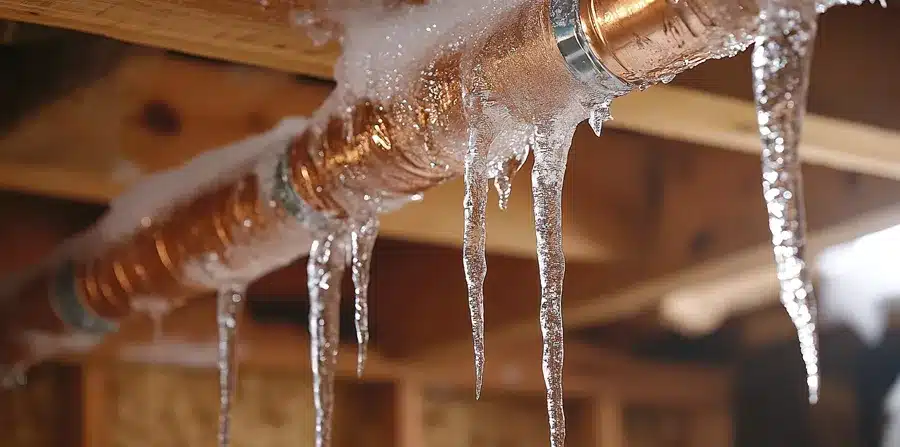
A main sewer line clog can quickly turn from a minor plumbing issue into a serious home problem. The most common main sewer line clog symptoms include multiple slow drains, sewage backups, gurgling toilets, foul odours, and water returning through drains. If several plumbing fixtures are affected at the same time, the problem is likely deeper than a single clogged sink or toilet.
This guide explains what these warning signs mean, when you need professional help, what affects repair costs, and how to choose the right solution for your Long Island home.
What Are The Main Sewer Line Clog Symptoms?
The biggest sign of a main sewer line clog is that multiple plumbing fixtures begin showing problems together. A blocked drain in one location is usually isolated, but a problem in your home’s main sewer line affects the entire plumbing system.
Your main sewer line carries wastewater from your home to the municipal sewer system or private septic system. When this pipe becomes blocked, wastewater has nowhere to go and may start moving back toward your fixtures.
Common warning signs include:
- Slow drainage in several sinks, tubs, or showers
- Toilets that bubble, overflow, or drain slowly
- Water backing up from floor drains
- Sewage smells inside or around your home
- Unusual gurgling sounds from toilets or pipes
A single slow drain may only require a basic drain clearing service. However, multiple affected fixtures usually indicate a larger issue that requires inspection.
For homeowners dealing with repeated backups, professional drain cleaning can help identify whether the blockage is inside your home’s plumbing system or further down the main sewer line.

5 Urgent Signs You May Have A Main Sewer Line Clog
A main sewer line clog should be addressed quickly because continued backups can damage floors, walls, and personal belongings. The sooner you identify the warning signs, the easier it is to prevent a more complicated repair.
1. Multiple Drains Are Backing Up At The Same Time
When several drains stop working together, the blockage is likely located in the main sewer line rather than an individual fixture.
For example, if flushing your toilet causes water to rise in your shower drain, the problem is usually not the shower itself. The wastewater is being pushed back because the main line cannot move water away from your home.
2. Your Toilet Is Gurgling Or Making Strange Sounds
A gurgling toilet often means air is trapped in your plumbing system because water cannot flow normally through the pipes.
A gurgling toilet can happen for smaller reasons, but when it appears alongside slow drains or backups, it is a warning sign of a possible sewer line blockage.
If you notice these sounds throughout your home, avoid repeatedly flushing toilets or running large amounts of water until the issue is inspected.
3. You Notice Sewage Smells Inside Or Outside Your Home
A healthy plumbing system should keep sewer gases contained. Strong sewage odours around drains, basements, or your yard can indicate wastewater is not moving correctly.
Persistent smells may point to a clog, damaged pipe, or another sewer issue requiring professional evaluation. Ignoring these odours can allow the problem to worsen.
4. Water Backs Up Through Low-Level Fixtures
Sewer backups often appear first through the lowest drains in your home, such as basement floor drains, showers, or tubs.
This happens because gravity causes wastewater to seek the easiest exit point when the main sewer line is blocked. If dirty water begins appearing where it should not, treat it as an urgent plumbing concern.
5. Your Plumbing Problems Keep Returning
A temporary drain clearing may solve a symptom, but recurring backups often indicate an underlying problem.
Older homes on Long Island may have aging plumbing materials, including cast iron sewer pipes, which can develop cracks, corrosion, or restricted flow over time. A camera inspection can help determine whether the issue is a simple blockage or a larger pipe repair and replacement concern.
What To Do If You Suspect A Sewer Line Backup
If you think you have a sewer line backup in Long Island, taking the right steps can limit damage while you wait for service.
Start by reducing water usage throughout your home. Avoid running washing machines, dishwashers, and multiple fixtures because additional water can increase pressure on the blocked line.
You should also avoid using chemical drain cleaners for a suspected main line clog. These products may not reach the blockage and can create additional risks for your plumbing system.
Helpful steps include:
- Stop using affected plumbing fixtures
- Move valuables away from possible backup areas
- Keep children and pets away from contaminated water
- Contact a licensed plumbing professional for evaluation

How Much Does Main Sewer Line Repair Cost?
The cost of fixing a main sewer line problem depends on the cause, location, and condition of the pipe. There is no single price because every property has different plumbing layouts and repair requirements.
Factors that influence cost include:
- The location and depth of the sewer line
- Whether the issue is a blockage, damage, or pipe failure
- The condition and material of the existing pipe
- Whether excavation or replacement is required
- The need for camera inspections or additional repairs
A simple clog removal may be less involved than repairing a damaged sewer pipe. A professional inspection helps determine the right solution before unnecessary work is performed.
Why Long Island Homes Can Experience Sewer Line Problems
Long Island properties include a mix of older homes, established neighbourhoods, and newer construction. Older plumbing systems may experience issues related to pipe ageing, root intrusion, and buildup inside sewer lines.
Tree roots are a common concern because they naturally seek moisture and can enter small cracks or joints in underground pipes. Seasonal weather changes can also place stress on underground plumbing systems.
A proper inspection helps identify the actual cause instead of treating the same backup repeatedly.
How Professionals Diagnose A Main Sewer Line Clog
A proper diagnosis usually starts with a plumbing inspection to locate the blockage and understand the condition of the sewer line.
Professionals may use methods such as:
- Camera inspections to view the inside of the pipe
- Drain cleaning equipment to remove blockages
- Pipe assessments to identify damage or deterioration
The right approach depends on whether the problem is caused by grease buildup, debris, roots, collapsed sections, or another obstruction.
Common Mistakes To Avoid
Sewer problems can become more expensive when homeowners delay action or use the wrong solution. Knowing what to avoid helps protect your plumbing system.
- Ignoring repeated backups creates a risk of worsening damage because recurring problems often point to a deeper sewer issue. Schedule an inspection when backups happen more than once
- Using harsh chemical cleaners can damage plumbing components and may not remove a main line blockage. Use professional evaluation for larger sewer problems
- Treating only one fixture misses the real cause when multiple drains are affected. Check whether other plumbing fixtures are showing warning signs
- Waiting until sewage enters your home increases cleanup challenges and potential property damage. Contact a professional when early warning signs appear
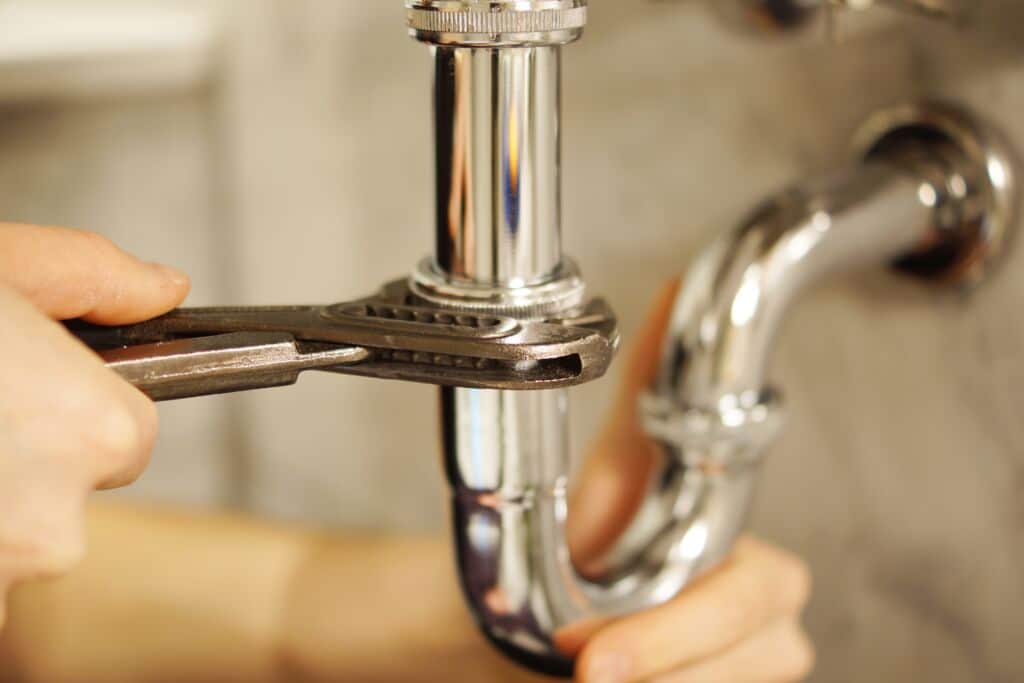
Frequently Asked Questions
What Is The Most Common Sign Of A Main Sewer Line Clog?
The most common sign is multiple plumbing fixtures experiencing problems at the same time. Slow drains, toilet backups, and gurgling sounds throughout your home usually indicate the blockage is affecting the main sewer line rather than one individual drain.
Can A Gurgling Toilet Mean A Sewer Problem?
Yes, a gurgling toilet can indicate a sewer problem, especially when combined with slow drains or backups. The sound often happens because trapped air is moving through a restricted plumbing system.
Can A Main Sewer Line Clog Fix Itself?
A main sewer line clog usually does not resolve permanently on its own. Water pressure may temporarily move some debris, but the underlying blockage often remains and can cause repeated backups.
How Do I Know If I Need Sewer Line Repair Or Cleaning?
A professional inspection can determine whether you need cleaning or repair. Cleaning may solve a blockage, while damaged, cracked, or deteriorated pipes may require Pipe Repair & Replacement.
Are Older Long Island Homes More Likely To Have Sewer Issues?
Older homes may have a higher chance of sewer problems because underground pipes can deteriorate over time. Materials such as cast iron can develop corrosion or damage that affects water flow.
Should I Call Emergency Plumbing For A Sewer Backup?
You should consider emergency plumbing services when sewage is backing up into your home, multiple fixtures are unusable, or wastewater is creating a health and property concern.
Schedule Your 24/7 Emergency Drain Service In Long Island
If you notice any symptoms of main sewer line clog, acting quickly can help protect your home from larger plumbing problems. A professional inspection can identify whether you need drain cleaning, repairs, or a more extensive solution.
At All Island HVAC, we provide 24/7 emergency plumbing, heating & cooling services for homeowners across Long Island. Our licensed and insured technicians deliver upfront pricing, reliable solutions, and full-service plumbing and HVAC support for residential and commercial properties.
We focus on accurate diagnosis, quality workmanship, and customised solutions designed around your specific plumbing needs.
Schedule your emergency drain service in Long Island now and we’ll meet you at your location shortly.