
Water has a quiet way of causing damage long before you ever notice it. A small leak behind a wall or under a floor can run for weeks while you go about your day, slowly raising your water bill, weakening your home, and creating the perfect conditions for mold. The good news is that most leaks leave behind clues, and once you know what to look for, you can catch a problem early and save yourself a great deal of money and stress.
This guide walks you through how to detect water leaks in your home, the warning signs worth paying attention to, and the simple checks you can do yourself before the situation gets worse.
Why Catching a Water Leak Early Matters
A leak is rarely just about wasted water. Left alone, even a slow drip can rot wood, stain ceilings, ruin drywall, and damage flooring. Moisture that builds up in hidden spaces also invites mold, which can affect both your home and the air your family breathes. On top of all that, a leak you cannot see is still a leak you are paying for every month.
The earlier you find a leak, the cheaper and easier it is to fix. A loose connection caught today is a quick repair. That same connection ignored for months can turn into a flooded cabinet, a damaged subfloor, and a much larger bill. Knowing the signs of a water leak puts you in control instead of leaving you to react to a mess after the damage is done.
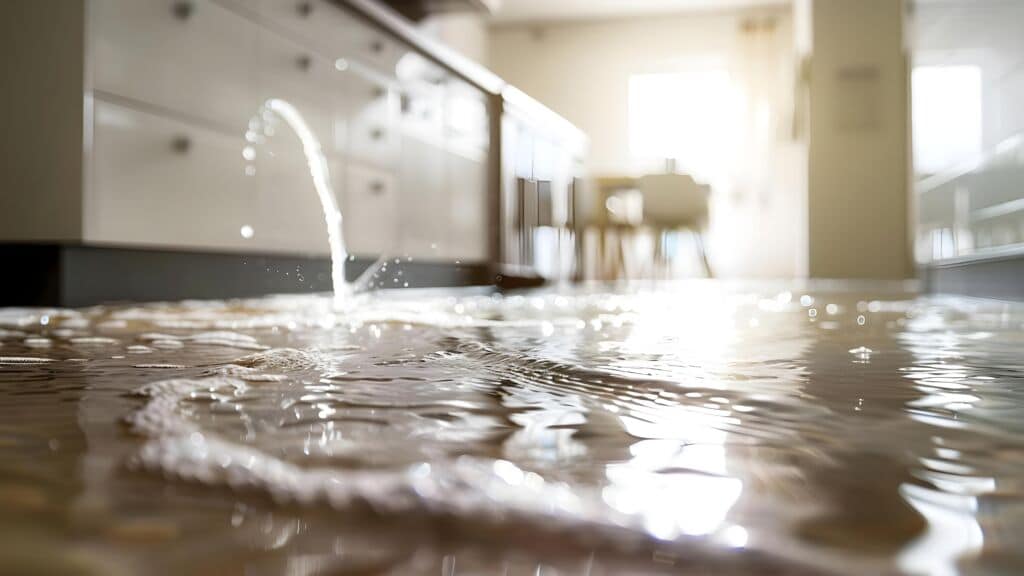
Common Signs of a Water Leak
Most leaks announce themselves if you know how to listen and look. Here are the warning signs that something may be wrong behind the scenes.
A Sudden Spike in Your Water Bill
One of the clearest signs of a hidden water leak is a water bill that climbs for no obvious reason. If your habits have not changed but your usage has jumped, water is very likely escaping somewhere you cannot see. Compare your current bill to the same month last year for a more accurate picture, since usage naturally shifts with the seasons.
The Sound of Running Water
When the house is quiet and every faucet and appliance is off, you should not hear water moving. A faint hissing, dripping, or trickling sound inside a wall or under the floor is a strong hint that water is finding its way out of your pipes. Trust your ears here, because your plumbing should be silent when nothing is in use.
Damp Spots, Stains, and Warping
Water leaves a mark. Yellow or brown stains on ceilings and walls, paint that bubbles or peels, and flooring that warps or feels soft underfoot all point to moisture that does not belong. Cabinets under sinks are a common trouble spot, so check for damp wood, swelling, or a musty smell whenever you store cleaning supplies down there.
A Musty Smell or Visible Mold
Mold needs moisture to grow, so a persistent musty odor is often the first clue to a leak you cannot yet see. If a certain room or corner always smells damp, or you spot mold around baseboards, under sinks, or near the base of a toilet, treat it as a sign that water is collecting nearby.
Low Water Pressure
If your shower or faucets suddenly lose strength, a leak may be diverting water before it reaches the tap. Pressure problems can have other causes, but when low pressure shows up alongside any of the other signs on this list, a leak moves to the top of the suspect list.
Cracks or Movement in the Foundation
Leaks in pipes that run beneath or near your foundation can quietly undermine the structure of your home. New cracks in walls or floors, doors that no longer close right, and shifting in the foundation can all trace back to water pooling where it should not be.
How to Check for a Water Leak Yourself
You do not need special tools to do a first round of detective work. A few simple checks can tell you whether water is escaping somewhere in your home.
Start with your water meter, which is one of the most reliable ways to confirm a leak. Turn off every faucet, appliance, and water-using fixture in the house. Find your meter and write down the reading or note the position of the small leak indicator if your meter has one. Wait one to two hours without using any water, then check the meter again. If the numbers have moved even though nothing was running, water is leaking somewhere in your system.
The toilet is the next place to look, since a leaking toilet is both common and easy to miss. Add a few drops of food coloring to the tank, wait about fifteen minutes, and then check the bowl. If color appears in the bowl without flushing, water is slipping past the flapper and quietly running all day.
From there, do a slow walk through the house with fresh eyes. Open the cabinets under every sink and feel for moisture. Look behind and beneath your toilets, dishwasher, washing machine, and water heater. Inspect any exposed pipes in the basement or utility areas for drips, corrosion, or mineral buildup, since those crusty white or green deposits often mark a slow leak. Step outside as well and look for unusually soggy patches in the yard or areas of grass that look greener and thicker than everything around them, which can signal a leak in an underground line.
Where Water Leaks Hide Most Often
Some spots are far more prone to leaks than others. Bathrooms and kitchens see the heaviest plumbing use, so faucets, supply lines, and the seals around toilets and tubs are frequent offenders. Water heaters wear down over time and can leak from the tank or its connections. Appliances such as dishwashers and washing machines rely on hoses that crack and loosen with age. Outdoor faucets and irrigation lines are also common culprits, especially after a hard winter. Knowing where leaks tend to start helps you focus your inspection on the areas most likely to cause trouble.
When to Call a Professional Plumber
Some leaks are simple enough to handle on your own, like tightening a loose connection or replacing a worn washer. Others hide deep inside walls, beneath slabs, or within your main line, where guessing can turn a small problem into an expensive one. If your water meter confirms a leak you cannot find, if you notice stains or mold spreading, or if your water pressure keeps dropping, it is time to bring in a professional.
A licensed plumber has the training and equipment to pinpoint a leak without tearing your home apart. Specialized leak detection tools can locate hidden water behind walls and under floors quickly and accurately, which means the repair is faster, cleaner, and less disruptive. What looks like a mystery to a homeowner is often a routine find for an experienced plumber.
Protect Your Home with All Island Plumbing Heating and Cooling
Catching a leak early is one of the smartest things you can do for your home, and you do not have to handle it alone. All Island Plumbing Heating and Cooling helps homeowners across Nassau County find and fix water leaks before they turn into costly damage. Our experienced team uses proven leak detection methods to track down the source quickly and repair it the right way, so you can stop worrying about what might be happening behind your walls.
If you have noticed a higher water bill, a strange sound, a damp spot, or any other warning sign, reach out to All Island Plumbing Heating and Cooling today. We are proud to serve Nassau County with honest, reliable plumbing service, and we are ready to help you keep your home safe, dry, and running the way it should.


