
Your home’s plumbing system works quietly behind the scenes, day in and day out, until something goes wrong. And when it comes to clogged drains, the warning signs often start small before turning into expensive disasters. Most homeowners in Nassau County wait too long to address drain issues, hoping the problem will simply go away on its own. Unfortunately, that rarely happens.
A clogged drain is more than just a minor inconvenience. It can lead to water damage, mold growth, foundation issues, and even health hazards for your family. The good news is that your plumbing system gives you plenty of warning signs before things spiral out of control. The trick is knowing what to look for and acting quickly when you spot the symptoms.
In this guide, we’ll walk you through the seven most urgent signs that your drains are clogged and why ignoring them could cost you thousands in repairs. Whether you’re dealing with a slow kitchen sink or strange smells coming from your bathroom, this post will help you understand what’s happening inside your pipes and what steps to take next.
Why Clogged Drains Are More Serious Than You Think
Before we dive into the warning signs, it’s important to understand why clogged drains deserve your immediate attention. Many people assume a slow drain is just a small annoyance that can wait until the weekend. The reality is that drainage issues almost never improve on their own. They get worse, often quickly.
When debris, grease, hair, and soap scum build up inside your pipes, they create blockages that restrict water flow. Over time, these blockages trap more material, narrowing the pipe even further. Eventually, your drains stop working entirely, sewage can back up into your home, and pipes can burst under pressure. In Nassau County homes, where many properties have older plumbing systems, the risk of serious damage is even higher.
Recognizing the early warning signs gives you the chance to fix small problems before they become big ones. Here’s what to watch for.
1. Water Drains Slowly From Sinks, Tubs, or Showers
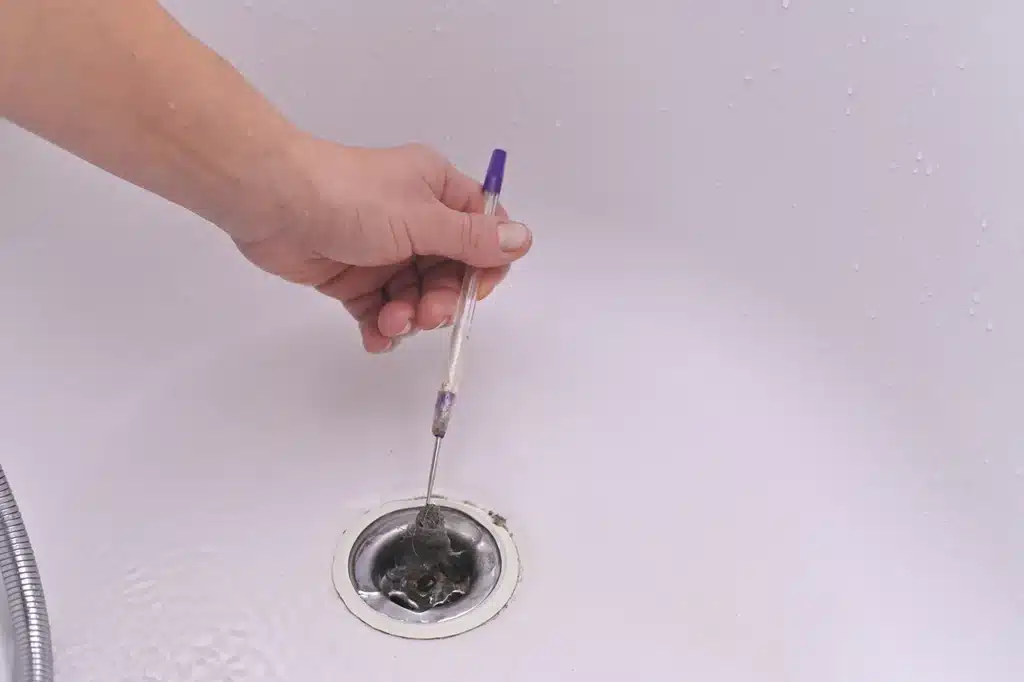
This is often the very first sign that something is wrong inside your pipes. If you notice water pooling around your feet in the shower or taking forever to drain from your bathroom sink, you have a partial clog forming. Many homeowners ignore this symptom for weeks or even months because the drain still technically works.
Slow drainage happens when debris accumulates inside the pipe, narrowing the passage that water flows through. In kitchen sinks, the culprit is usually grease, food particles, and soap residue. In bathrooms, it’s typically hair, toothpaste, and body oils. Once you notice slow drainage, the clog will only continue to grow until the pipe is completely blocked.
The longer you wait, the harder the clog becomes to remove. What might be a quick fix today could turn into a serious plumbing in Nassau County emergency next month. If you’re seeing slow drainage in multiple fixtures at once, the problem is likely deeper in your main sewer line, which requires professional attention right away.
2. Strange Gurgling Sounds From Your Drains
Your plumbing system should be relatively quiet. If you start hearing bubbling, gurgling, or glugging sounds when water drains, this is a major red flag. These noises occur when air gets trapped inside your pipes due to a partial blockage. As water tries to flow past the clog, it pushes air through the system, creating those unsettling sounds.
Gurgling often happens in toilets when you run water in a nearby sink or take a shower. If your toilet bubbles when you use other fixtures, the problem is likely in the main drain line, not just one specific pipe. This is particularly concerning because main line issues affect your entire home’s plumbing system and can lead to sewage backups if left untreated.
Pay close attention to where the sounds are coming from and what triggers them. This information will help your plumber diagnose the problem faster and more accurately when you call for service.
3. Foul Odors Coming From Drains
A healthy drain shouldn’t smell. If you notice unpleasant odors wafting up from your sinks, tubs, or shower drains, organic matter is decomposing somewhere inside your pipes. Food waste, hair, soap scum, and other debris trapped in clogs create the perfect environment for bacteria to grow, producing those nasty smells you’re trying to mask with air fresheners.
Sometimes the odor smells like rotten eggs or sewage, which indicates a more serious issue with your sewer line. This kind of smell could mean there’s a blockage preventing waste from flowing properly out of your home, or even a crack in the pipe allowing sewer gases to escape into your living space. Sewer gas isn’t just unpleasant. It can be hazardous to your family’s health, especially with prolonged exposure.
No amount of bleach or commercial drain cleaner will solve the underlying issue causing the smell. The clog needs to be physically removed by a professional to eliminate the source of the odor for good.
4. Water Backing Up Into Other Fixtures
This is one of the most alarming signs of a clogged drain, and it should never be ignored. If you flush your toilet and water bubbles up in the bathtub, or you run the dishwasher and water appears in your kitchen sink, you have a serious blockage somewhere in your main sewer line.
When pipes are clogged at a deep level, water has nowhere to go and starts looking for the path of least resistance. That path often leads back into your home through other drains. Toilet water appearing in your shower drain isn’t just gross. It’s a clear sign that sewage could soon flood your home if action isn’t taken immediately.
Backups like these almost always require professional intervention. Trying to clear a main line blockage with a store-bought snake or chemical cleaner usually makes the problem worse. This is when calling a trusted local plumbing in Nassau County company becomes essential to protect your home and your health.
5. Multiple Drains Clogged at the Same Time
If only one sink is slow, the issue is probably localized to that fixture. But when several drains throughout your home start having problems simultaneously, the blockage is much deeper in your plumbing system. This typically points to a problem with your main sewer line, which carries waste from every fixture in your home out to the municipal sewer or septic system.
Common causes of main line clogs include tree roots invading the pipe, accumulated grease over many years, foreign objects flushed down toilets, and pipe collapses due to age or shifting soil. Nassau County homes built decades ago are particularly susceptible to root intrusion because older pipes were often made of clay or cast iron, materials that crack and break down over time.
Don’t waste money trying to fix individual fixtures when the real problem is in the main line. A professional can run a camera through your sewer line to pinpoint exactly where the clog is and what’s causing it.
6. Water Stains or Damage Near Pipes
Sometimes the signs of a clogged drain aren’t obvious at first. You might notice water stains on your ceiling, damp spots on walls, or warped flooring near plumbing fixtures. These visual clues often mean that pressure is building up inside clogged pipes, causing small leaks or even cracks where water is escaping into your home’s structure.
Even tiny leaks from clogged pipes can lead to massive damage over time. Water seeps into wood framing, drywall, and insulation, creating the perfect conditions for mold and mildew. Mold growth in your home isn’t just an aesthetic problem. It can trigger allergies, asthma, and other respiratory issues, especially in children and elderly family members.
If you spot any unexplained water damage near plumbing lines, investigate immediately. Catching a leak early can save you thousands of dollars in restoration costs and protect your family’s health.
7. Fruit Flies or Drain Flies in Your Kitchen and Bathrooms
Tiny flies hovering around your sinks might seem like a separate problem, but they’re often connected to clogged drains. Drain flies and fruit flies are attracted to the decaying organic matter trapped inside dirty pipes. They lay their eggs in the slimy buildup, and the larvae feed on the gunk before emerging as adult flies in your home.
If you’ve cleaned your kitchen thoroughly but still see these pests buzzing around, the breeding ground is almost certainly inside your drains. Pouring boiling water or vinegar down the drain might offer temporary relief, but it won’t eliminate the deeper buildup feeding the infestation. A professional drain cleaning service removes the source completely, getting rid of both the clog and the pests in one visit.
How to Prevent Clogged Drains in the First Place
Prevention is always cheaper and easier than emergency repairs. Here are a few simple habits that can keep your drains flowing freely. Avoid pouring grease, oil, or coffee grounds down your kitchen sink. Use drain strainers in your bathroom to catch hair before it enters the pipes. Run hot water through your drains weekly to flush out small buildups. Schedule professional drain cleaning every one to two years, especially in older Nassau County homes.
These small steps go a long way toward preventing the seven warning signs we’ve covered. But when problems do arise, acting quickly makes all the difference.
Trust All Island HVAC for Reliable Plumbing in Nassau County
If you’re experiencing any of the warning signs above, don’t wait for a small clog to turn into a flooded basement or burst pipe. Our team at All Island HVAC specializes in fast, reliable drain cleaning and plumbing in Nassau County, helping homeowners protect their properties and their peace of mind. We use modern equipment to diagnose issues accurately and clear blockages without damaging your pipes.
Whether you need emergency drain cleaning, sewer line inspection, or routine plumbing maintenance, our experienced technicians are ready to help. Reach out today to schedule a service appointment and keep your home’s plumbing running smoothly for years to come.


