
Mature oaks and maples give South Shore yards much of their character, but their roots keep growing long after the leaves drop. Tree roots in sewer line pipes enter through small cracks and loose joints, then gradually restrict wastewater flow until drains back up. Older clay pipes are especially vulnerable because their joints weaken with age.
Fall is a good time to find the problem, before frozen ground makes outdoor repairs harder. This guide covers the warning signs to watch for, how plumbers confirm root intrusion, which repairs suit different levels of damage, and what affects the cost. Catching it now can spare you a messy backup in the middle of winter.
How Tree Roots in Sewer Line Systems Cause Damage
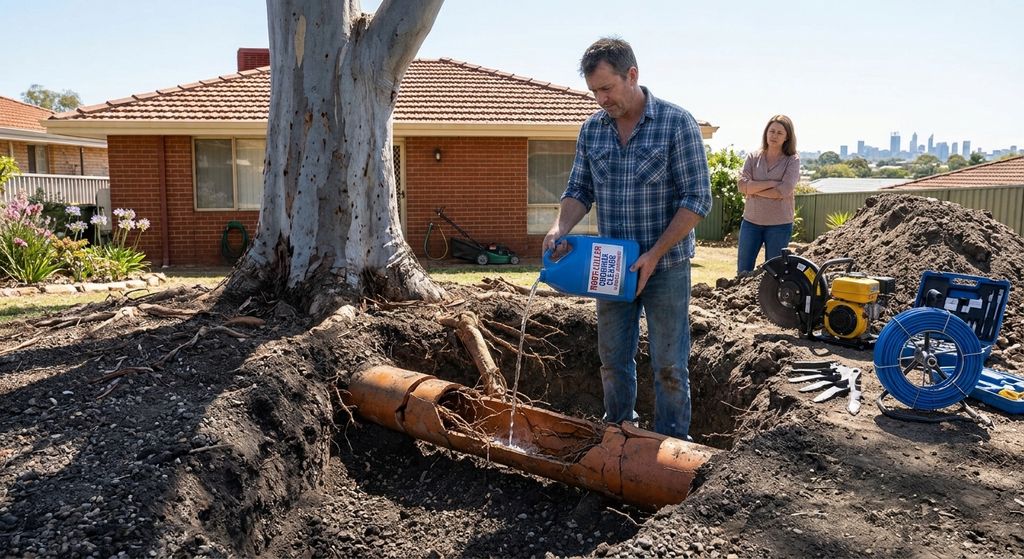
Tree roots in sewer line pipes enter through existing openings rather than breaking through intact pipe walls. Mature oak and maple trees develop extensive root systems that spread through soil in search of moisture, making nearby aging sewer connections vulnerable.
Older clay sewer pipes are particularly susceptible because their individual sections rely on joints that can deteriorate over time. Ground movement and settling may create small openings that allow moisture to escape and attract nearby roots.
Common consequences include:
- Restricted wastewater flow: Root masses collect debris and obstruct drainage
- Damaged pipe joints: Expanding roots can widen existing gaps
- Recurring backups: Larger root masses prevent wastewater from flowing freely
- Sewer leaks: Compromised joints allow wastewater to escape into surrounding soil
Oaks and maples get most of the blame, but any large tree near a defective pipe can cause this damage. The condition of your underground plumbing matters more than the species.
If you suspect structural damage, sewer line repair options in Nassau County can help you understand the available solutions.
Why Fall Is an Important Time to Check Your Sewer Line
Fall is a practical time to investigate root intrusion before winter temperatures and frozen ground complicate outdoor plumbing work. Although colder weather slows root activity, existing roots do not disappear when the ground freezes.
Several factors make seasonal inspections worthwhile:
- Mature landscaping: Established trees may have extensive root networks near underground sewer connections
- Older plumbing: Aging clay pipes and deteriorating joints are more vulnerable to infiltration
- Seasonal rainfall: Changes in soil moisture can expose existing leaks and drainage weaknesses
- Winter preparation: Early inspections provide more flexibility when scheduling repairs
If you already notice symptoms, schedule an inspection now instead of waiting for a full backup. Clearing a blockage before winter can prevent a more disruptive emergency once the ground freezes.

Warning Signs That Tree Roots May Be Blocking Your Sewer Line
Root intrusion often develops gradually, making early symptoms easy to mistake for ordinary plumbing problems. However, when several drains experience issues simultaneously, your main sewer line deserves attention.
Watch for these warning signs:
- Multiple slow drains: Toilets, showers, and sinks drain slowly despite having no obvious individual blockage
- Recurring toilet backups: Wastewater repeatedly rises or overflows after previous drain cleaning
- Gurgling sounds: Drains make bubbling noises when water flows through other fixtures
- Persistent sewage odors: Unpleasant smells appear near drains, in basements, or around your yard
- Unusually wet lawn areas: Saturated soil or unusually lush grass appears along the suspected sewer route
A single slow kitchen sink usually points to grease or a local clog. Recurring problems across multiple fixtures are the stronger sign of root intrusion.
How Professionals Identify and Remove Sewer Line Roots
A sewer camera inspection helps determine whether tree roots are entering your underground plumbing. A waterproof camera travels through the pipe, allowing a technician to identify obstructions, cracks, separated joints, and other structural problems.
The process generally involves three stages:
1. Initial Assessment and Camera Inspection
Your plumber evaluates the symptoms and examines the sewer line using specialized camera equipment to locate blockages and assess pipe condition.
2. Root Removal and Drain Cleaning
If the pipe remains structurally sound, mechanical root cutting during professional drain cleaning may remove the obstruction. Hydro jetting can also clear accumulated debris when the pipe condition makes high-pressure cleaning appropriate.
3. Repair Recommendations
Removing roots does not necessarily fix the opening through which they entered. Depending on the damage, you may need localized repairs, pipe lining, or complete sewer line replacement.

Sewer Line Repair Options for South Shore Homeowners
The right repair depends on the extent of root intrusion and on your pipe’s condition, depth, and accessibility.
Mechanical Root Removal: When roots have entered through a relatively small opening and the pipe remains stable, mechanical cutting may restore wastewater flow. However, recurring intrusion may require additional maintenance.
Trenchless Pipe Lining: Cured-in-place pipe lining (CIPP) uses a resin-saturated liner to create a new interior surface. It can seal certain cracks and joints without extensive excavation when the existing pipe is suitable.
Pipe Bursting: This method breaks apart the existing pipe while pulling a replacement pipe into position. It may work when the original line has extensive damage and site conditions support the approach.
Traditional Excavation and Replacement: Severely collapsed or deteriorated pipes may require excavation and replacement. Although this can disturb landscaping, it may be necessary when other methods are unsuitable.
How Much Does Tree Root Removal or Sewer Line Repair Cost?
The cost of addressing tree roots in sewer line problems depends on whether you need basic cleaning, targeted repairs, or complete pipe replacement. Several factors influence your estimate:
- Inspection requirements: Camera access and sewer layout affect diagnostic work
- Extent of root intrusion: Extensive root masses generally require more work
- Pipe condition: Cracked, separated, or collapsed sections may need structural repairs
- Repair method: Cleaning, pipe lining, and excavation involve different equipment and labor
- Property accessibility: Driveways, patios, landscaping, and underground utilities can complicate installation
When comparing estimates, ask whether the price includes camera inspection, cleaning, repair materials, excavation, and surface restoration.
Common Mistakes to Avoid With Root-Damaged Sewer Lines
Avoid these mistakes when dealing with suspected root intrusion:
- Ignoring recurring backups: Repeated blockages may indicate structural damage, so arrange an inspection instead of repeatedly treating individual drains
- Relying exclusively on chemical cleaners: Household chemicals cannot reliably remove established root masses and may damage vulnerable plumbing
- Assuming root removal fixes everything: Cutting roots restores flow but does not seal damaged joints or cracks
- Choosing replacement without inspection: Excavation may be unnecessary when localized repairs or suitable trenchless methods can address the damage
- Waiting for a complete blockage: Delaying an assessment can turn a manageable obstruction into an emergency
Frequently Asked Questions
Can Tree Roots Enter PVC Sewer Pipes?
Yes. PVC pipes can experience root intrusion when joints separate, connections deteriorate, or physical damage creates an opening. However, properly installed PVC systems generally have fewer vulnerable joints than older clay piping.
Does Homeowners Insurance Cover Tree Root Damage to Sewer Lines?
Coverage varies by policy and insurer. Some policies exclude gradual deterioration or root intrusion, while optional sewer backup coverage or service line endorsements may provide certain protections. Review your policy before assuming repair costs are covered.
Can You Prevent Tree Roots From Growing Toward Your Sewer Line?
You cannot completely control how established tree roots spread underground. However, maintaining your sewer line, repairing leaking joints, and considering appropriate root barriers during landscaping projects can help reduce future problems.
Should You Remove a Tree Growing Near Your Sewer Line?
Not necessarily. First determine whether its roots have entered the pipe. A professional inspection and consultation with a qualified arborist can help you evaluate your options.
How Long Does a Sewer Camera Inspection Take?
Most residential sewer camera inspections take about 30 to 60 minutes. A long line, hard-to-reach access point, or heavy blockage that must be cleared before the camera can pass will add time.
Are Tree Roots the Only Cause of Sewer Line Backups?
No. Grease accumulation, foreign objects, pipe deterioration, misaligned connections, and collapsed sections can also restrict wastewater flow. Camera inspection helps distinguish root intrusion from other causes.
Protect Your South Shore Sewer Line Before Winter
Clearing roots restores flow, but a lasting fix depends on finding and repairing the opening they came through. If you notice slow drains, gurgling, or repeated backups across several fixtures, a camera inspection this fall shows whether you need cleaning, a targeted repair, or a larger replacement.
At All Island Plumbing, Heating & Cooling, our Massapequa-based team serves homeowners across Nassau and Suffolk County, including the South Shore. Our licensed and insured technicians start with a camera inspection, then recommend the repair that fits your pipe’s actual condition, with upfront pricing before work begins. If a backup happens at night or over a holiday weekend, our 24/7 emergency service means you are not left waiting.
Don’t let tree roots in sewer line pipes turn a slow drain into a winter emergency.


