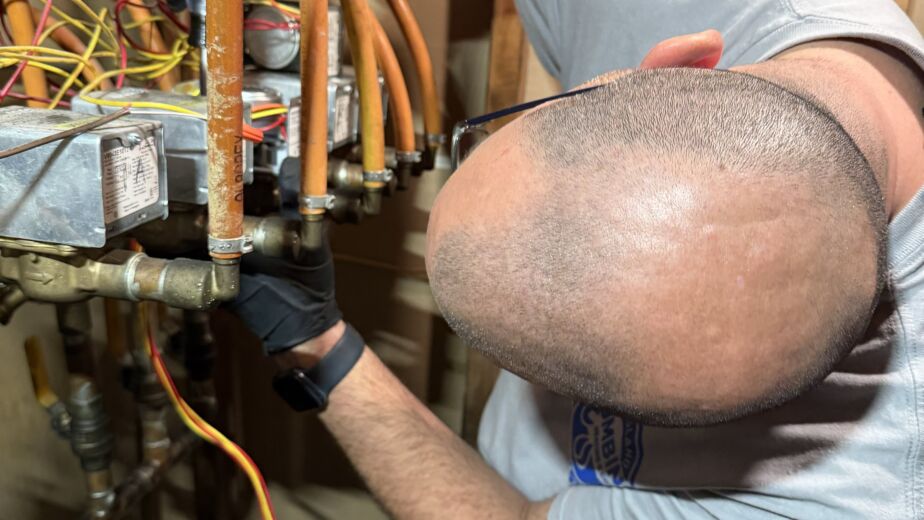
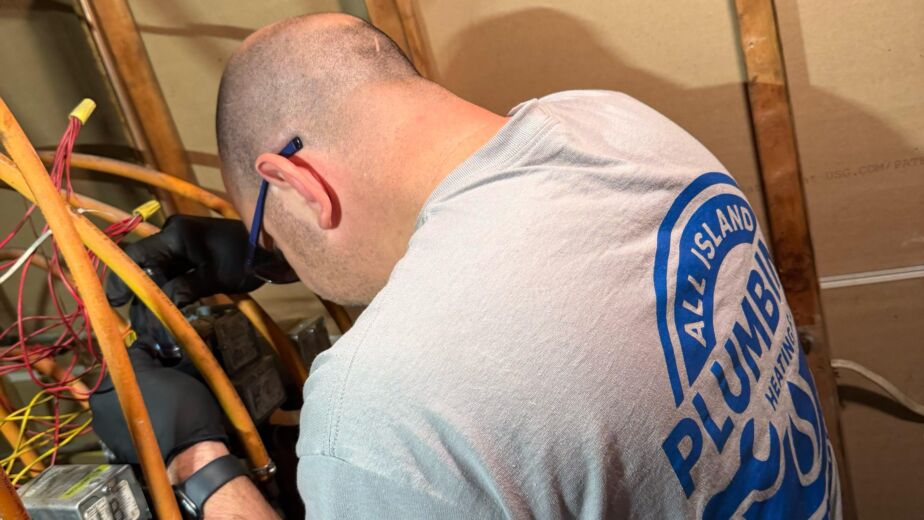
Plumbing costs in Nassau County vary widely depending on the type of service, materials, and whether a job is scheduled or an emergency. This guide breaks down those variables so you can compare quotes with confidence. You will learn typical hourly rates for residential and commercial work, realistic price ranges for common repairs and installations, how emergency and permit-related fees are calculated, and how preventative maintenance lowers lifetime costs. This article explains what drives plumber pricing in Nassau County, including labor, materials such as PEX or copper, permit and inspection impacts, and service call or emergency surcharges, with practical examples to illustrate each point. When shopping for service, understanding these components helps you judge whether a quote is complete, whether upfront pricing or hourly billing is preferable, and when a temporary homeowner fix makes sense. The sections that follow cover hourly rates, detailed cost ranges for common jobs (with a local comparison table and illustrative starting prices), emergency cost dynamics, principal cost drivers, an explanation of upfront pricing with an example vendor model, and preventative maintenance strategies to save money long-term.
What Are the Typical Plumbing Hourly Rates in Nassau County?
Typical plumber hourly rates in Nassau County reflect the local cost of living, license requirements, and market demand; residential work typically runs lower than commercial because of scope and risk differences. On average, residential hourly rates land in the mid-to-upper triple digits, while commercial work commands higher hourly charges due to larger crews, specialized equipment, and higher insurance costs. Hourly rates generally cover technician time, basic tools, and travel, but they often exclude parts, disposal fees, permit fees, and specialized diagnostic equipment. Knowing what an hourly rate includes and excludes helps you decide if an upfront estimate or flat rate is a better fit for your job type, and the next subsections explain how residential and commercial rates differ and what variables influence hourly pricing.
Residential and commercial rates differ primarily because of job scale and regulatory requirements. Residential hourly rates in Nassau County typically reflect single-unit work such as sink or toilet repairs and minor pipe fixes, whereas commercial projects involve code complexity, after-hours access, and coordination across trades, which raises rates. Commercial jobs often require additional insurance, bonding, and permits; these add administrative overhead that appears in higher per-hour charges. Examples include a restaurant grease trap servicing contract versus a homeowner replacing a leaking under-sink supply line, and this distinction helps explain why commercial hourly averages sit above residential averages.
Several factors influence hourly plumbing rates in Nassau County beyond whether a job is residential or commercial. Technician skill level and licensing (journeyman vs master) directly affect pricing because more experienced technicians diagnose and fix problems faster and with fewer callbacks. Time of day matters as well; evenings and weekends frequently attract higher hourly charges due to overtime premiums and limited availability. Travel distance, rapid-response emergency demands, and the need for specialized diagnostic tools like electronic leak detection or camera inspection can also increase the effective hourly cost. Understanding these variables helps you ask the right questions when comparing estimates and deciding between hourly and flat-rate options.
- What an hourly rate usually includes:
Technician labor time and basic tools for the job.
Travel/time to and from the job site within the local service area.
Basic diagnostics for accessible issues (visual inspection, simple testing). - What hourly rates frequently exclude:
Parts and materials such as new fixtures, piping, or valves.
Permit fees, inspection fees, and municipal approvals.
Specialized equipment rental or advanced diagnostics (camera, hydro-jet).
Understanding inclusions and exclusions helps homeowners decide whether hourly pricing or an upfront estimate gives better predictability for a given job.
How Much Do Common Plumbing Repairs and Services Cost in Nassau County?
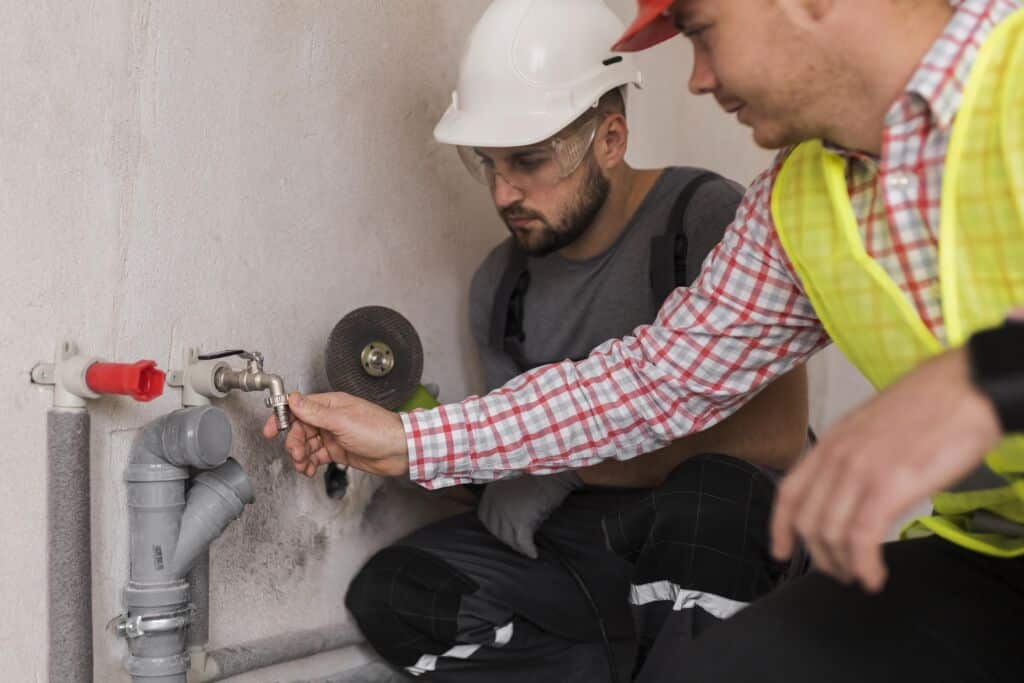
Common plumbing services in Nassau County span a broad price spectrum because accessibility, severity, and materials affect time and parts; this section provides typical local ranges and a comparison to a local provider’s published starting prices for transparency. For many routine jobs, market ranges give you bargaining power if you know typical low-to-high figures. Below is a concise table that pairs common services with typical Nassau County ranges and the starting prices published by a local provider as illustrative examples; use the ranges to set expectations and the starting prices as transparent baseline offers.
| Service | Typical Nassau County Range (USD) | All Island “Starting At” Price (USD) |
|---|---|---|
| Interior drain clearing | $150 – $450 | $199 |
| Exterior drain clearing | $250 – $700 | $349 |
| Faucet replacement (labor only) | $150 – $500 | $299 |
| Toilet bowl repair | $100 – $300 | $120 |
| Toilet bowl replacement (installed) | $350 – $900 | $549 |
This table provides a point of comparison: typical regional ranges reflect variability from simple fixes to complex interventions, while the listed starting prices illustrate transparent entry points offered by a local service provider. Remember that the “starting at” figures are examples of upfront transparency and actual costs depend on diagnostics, parts, and access; the next subsections break down key services and what drives their price.
What Are the Average Costs for Drain Cleaning and Clog Removal?
Drain cleaning costs depend on location, severity, and whether specialty services like camera inspection or hydro-jetting are required; simple interior sink or tub clogs are at the low end, while mainline blockages or roots require more equipment and labor. A basic interior drain clear often falls in the low hundreds, while exterior or deep mainline blockages can reach several hundred dollars or more. Advanced diagnostics such as a camera inspection typically add to cost but can prevent repeated visits by pinpointing the problem, and hydro-jetting is priced higher due to equipment and time. All Island Plumbing’s published starting prices—interior drain clearing starting at $199 and exterior drain clearing starting at $349—serve as examples of transparent baseline fees within the broader Nassau County range.
How Much Does Faucet and Toilet Repair or Replacement Typically Cost?
Faucet and toilet jobs vary from simple part swaps to full fixture replacements that involve additional work like flange repairs or countertop access; basic repairs stay relatively inexpensive compared with full replacements that include fixture cost and labor. Faucet replacement labor combined with a mid-range fixture typically places the project in the low-to-mid hundreds, and All Island lists faucet replacement starting at $299 as an illustrative entry price for the labor and standard parts scope. Toilet bowl repairs can be inexpensive when limited to seals or flappers, while complete toilet replacement requires removal, new fixture installation, and possibly tile or floor repair; All Island lists toilet bowl repair starting at $120 and toilet replacement starting at $549 as baseline examples. Fixture selection, access, and finish work (tiling or cabinetry) are common cost escalators to watch for when you compare quotes.
What Are the Estimated Costs for Leak Detection and Pipe Repair?
Leak detection and pipe repair can range from inexpensive localized repairs to extensive excavation or repiping projects; noninvasive electronic leak detection generally costs less than open-wall or under-slab repairs that require demolition. Small visible leaks on accessible piping might run a couple hundred dollars for diagnosis and repair, while localized pipe replacement can run into the high hundreds or low thousands depending on material and access. Under-slab or behind-wall leaks escalate costs due to repair complexity and possible restoration of surfaces; at a certain scale, repiping becomes the more economical long-term choice. The decision point typically hinges on recurring failures, pipe material, and the age of the system, which the following sections on materials and repiping examine in more detail.
How Much Should You Expect to Pay for Water Heater Installation and Repair?
Water heater repair versus replacement and tank versus tankless systems produce distinct cost profiles; repairs for common components are often a few hundred dollars, while full replacements, especially for tankless systems, involve significantly higher installation costs. Repair work—such as thermostat or heating-element replacement—tends to be less expensive than full replacement, and electric tank systems usually cost less to replace than gas tank or tankless systems due to venting and gas-line considerations. Tankless installations have higher equipment and installation labor costs but can offer long-term efficiency gains, which may justify the upfront investment for some homeowners. Permit requirements and venting or gas-line upgrades can add both time and expense to installation projects in Nassau County.
- Drain and fixture cost escalation triggers:
Poor accessibility that requires demolition or restoration.
Need for specialized equipment (hydro-jet, camera, excavators).
Additional trades (tile, carpentry) for full restoration after plumbing work.
These triggers help homeowners evaluate whether a higher initial quote reduces long-term total cost by addressing root causes rather than recurring repairs.
What Are Emergency Plumbing Costs in Nassau County and How Are They Priced?
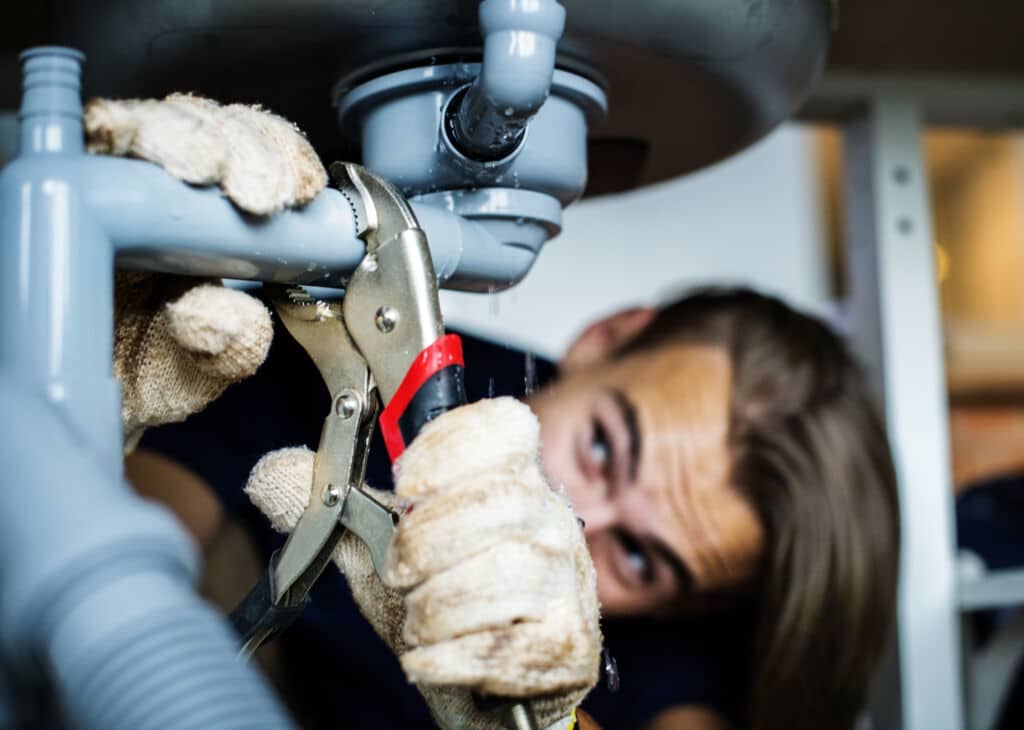
Emergency plumbing costs are typically higher than scheduled work because providers must cover after-hours staffing, rapid travel, and the risk of responding immediately; common emergency multipliers range roughly from 1.5× to 3× standard rates depending on urgency and time. An emergency surcharge reflects the premium for immediate attention, potential overtime pay, and prioritization over scheduled jobs; the practical effect is that the hourly rate or flat fee accepted during business hours will be noticeably higher for a midnight call. Homeowners should weigh the cost of emergency service against temporary mitigations—such as shutting off water or isolating a leak—when safe to do so, and should ask the provider for upfront emergency pricing details before work begins.
Emergency plumbing services cost more because of operational and economic reasons: staffing a qualified technician on-call requires paying overtime or maintaining rotating shifts, companies must compensate for unscheduled travel and fast response, and urgent jobs may involve hazardous conditions or more complex triage than routine appointments. Providers also accept higher liability and faster decision-making constraints during emergencies, which raises insurance and administrative costs absorbed into emergency fees. While immediate service minimizes property damage and often reduces long-term repair costs, homeowners can lower emergency spend by performing safe temporary measures and understanding typical emergency multipliers in advance.
All Island Plumbing, Heating & Cooling LLC provides factual local context: the company offers licensed and insured service and advertises 24/7 emergency plumbing availability, which means customers in Nassau County can access after-hours coverage from a recognized local provider. That 24/7 availability helps residents avoid prolonged damage by securing immediate service, but it generally aligns with the emergency pricing dynamics described above—namely higher rates to staff and dispatch technicians outside normal hours. When contacting an emergency provider, ask for an upfront explanation of surcharges and what the immediate service includes to avoid surprises.
- When to call an emergency plumber immediately:
Active flooding that risks structural damage or electrical hazards.
Complete loss of water to essential fixtures for occupied homes.
Sewage backups posing health risks. - Temporary homeowner actions to reduce emergency costs:
Shut main or localized valves if safe and accessible.
Contain water and document damage for insurance.
Turn off electrical circuits near standing water to reduce risk.
These steps help reduce damage while you arrange emergency service and may limit the scope of the initial emergency intervention.
What Key Factors Affect Plumbing Costs in Nassau County?
Several principal drivers influence final plumbing bills in Nassau County: job complexity and scope, material selection (PEX, copper, CPVC), permit and inspection requirements, and technician experience and licensing. Each factor interacts with the others—complex jobs often need premium materials and permits, and experienced licensed technicians command higher hourly rates but can reduce total cost through speed and accuracy. Understanding each component clarifies why two quotes for ostensibly similar work can differ substantially, and the following table summarizes key factors and their typical impact levels to help homeowners prioritize cost drivers.
| Factor | How It Affects Cost | Typical Impact |
|---|---|---|
| Job complexity & access | More demolition, restoration, and labor hours raise cost | High |
| Materials (PEX, copper, CPVC) | Material prices and installation time differ by type | Medium–High |
| Permits & inspections | Adds fees and scheduling time; may require corrections | Medium |
| Plumber experience/license | Higher rates for experienced/licensed techs, fewer callbacks | Medium–High |
This table clarifies where costs are most likely to accumulate and helps homeowners decide where to invest for longevity versus short-term savings. The subsections below expand on each major factor with examples and practical guidance for minimizing total project cost.
How Do Job Complexity and Scope Influence Your Plumbing Bill?
Job complexity and scope drive labor hours and the need for additional trades, which are among the largest contributors to total cost. Simple accessible repairs—like replacing a visible supply line—often require minimal time and no restoration, whereas wall or under-slab work triggers demolition, longer diagnostics, and restoration of finishes that increase both material and labor costs. Diagnostic time also matters: difficult-to-locate leaks require specialized detection tools that add to the invoice but can prevent repeated visits. Thinking about complexity before work begins helps you compare whether a low initial quote covers necessary diagnostics and restoration work.
What Role Do Materials Like PEX, Copper, and CPVC Play in Pricing?
Material choice affects both upfront material cost and long-term value; PEX tends to be less expensive and quicker to install, copper costs more and can require soldering skill, while CPVC occupies a mid-range position depending on application. PEX offers flexibility and faster install times, which often reduces labor costs, while copper is prized for longevity but raises material and labor charges; CPVC is commonly used for hot and cold runs with moderate cost. Consider lifecycle value: a slightly higher initial investment in a durable material may lower long-term repair frequency and overall lifetime cost.
How Do Permits and Inspections Affect Plumbing Project Costs in Nassau County?
Permits and inspections add fees and scheduling time to projects that alter plumbing systems, and failure to obtain required permits can create costly complications during resale or insurance claims. Jobs such as repiping, major fixture replacements, or gas-line modifications commonly require permits and one or more inspections, which add both direct permit fees and potential rework if corrections are ordered. Early coordination with your contractor about permit responsibilities reduces delays and unexpected charges. Checking local permit requirements before work starts helps you budget permit fees and avoid last-minute changes.
How Does Plumber Experience and Licensing Impact Pricing?
Experienced, licensed professionals command higher rates but typically deliver faster diagnostics, correct installations, and fewer callbacks—saving money over time despite higher hourly costs. Licensing and insurance reduce homeowner risk by ensuring technicians meet regulatory standards and carry liability coverage for accidental damage. While choosing the lowest hourly rate may seem attractive, evaluating experience, warranties, and claims handling often produces better total-cost outcomes. Investing a bit more in a licensed, insured provider can prevent recurring failures and provide warranty protection that lowers long-term expense.
How Does All Island Plumbing’s Upfront Pricing Model Benefit Nassau County Customers?
“Upfront pricing” means the provider offers a clear, written estimate for defined work before beginning, letting customers understand the scope, included items, and expected cost; this model emphasizes predictability and fewer surprises compared with open-ended hourly billing. Upfront pricing typically specifies what the quoted price covers—labor for the quoted scope, standard parts, and diagnostic time for the agreed work—and clarifies exclusions such as major structural repairs or permit fees. For Nassau County homeowners comparing options, upfront pricing reduces uncertainty and speeds approval for necessary repairs. The table below outlines common offer components and whether they are typically included in an upfront estimate to help you compare models.
| Offer Component | Included? (Yes/No) | Explanation |
|---|---|---|
| Diagnostic fee for quoted scope | Yes | Covers technician time to inspect and diagnose issues within agreed scope |
| Labor for quoted repairs | Yes | Labor necessary to complete the specifically listed tasks |
| Standard parts & materials | Yes (standard) | Includes common parts; premium fixtures or large material upgrades excluded |
| Permit fees | No | Permits are typically billed separately unless explicitly included |
| Major structural restoration | No | Demolition or extensive finish work usually excluded from the estimate |
This clarification helps homeowners compare an upfront quote against hourly or flat-rate alternatives by showing what is included and what will be billed separately. The section below details what All Island’s published messaging and upfront pricing approach mean in practice for Nassau County customers.
What Is Included in All Island Plumbing’s Upfront Pricing Estimates?
All Island Plumbing, Heating & Cooling LLC emphasizes upfront pricing as part of its local value proposition, presenting clear starting prices for common services and an explicit scope for quoted work; customers can expect diagnostics, labor for the quoted scope, and standard parts to be accounted for in an upfront estimate. The company’s published starting prices for services—such as interior drain clearing at $199, exterior drain clearing at $349, faucet replacement starting at $299, toilet bowl repair starting at $120, and toilet replacement starting at $549—illustrate how upfront transparency looks in practice and give homeowners baseline expectations. Exclusions commonly noted in upfront models include large structural repairs, specialty parts, and permit fees unless the estimate explicitly states otherwise. Knowing these inclusions and exclusions allows you to compare quotes on an apples-to-apples basis and choose the model that best fits your tolerance for cost variability.
How Does Upfront Pricing Compare to Hourly and Flat Rate Models?
Upfront pricing favors predictability: you pay an agreed amount for defined work, which is useful for budget-conscious homeowners or straightforward jobs, while hourly pricing offers flexibility for unpredictable or open-ended work where the final scope is uncertain. Flat-rate models can be effective for standardized services but may conceal variable inclusions, whereas hourly billing makes transitional costs transparent but can lead to surprises if diagnostics reveal more work than initially apparent. Choose upfront pricing when you need clarity and a fixed budget, prefer hourly where the scope is likely to evolve during diagnostics, and consider flat-rate for well-defined, repeatable jobs. Asking for a written breakdown and understanding exclusions will help you pick the model that minimizes unexpected expense.
- Benefits of upfront pricing:
Predictable total cost for the defined work scope.
Faster homeowner approval and scheduling due to clarity.
Reduced risk of surprise charges for routine elements. - When hourly or flat rates may be preferable:
Highly uncertain diagnostics where the scope may expand.
Small, incremental tasks where time-based billing is simpler.
Repeat commercial contracts where flat-rate pricing is negotiated for volume.
This comparison helps homeowners match project type to pricing model and negotiate clearer estimates.
How Can Preventative Plumbing Maintenance Save You Money in Nassau County?
Preventative plumbing maintenance reduces the likelihood of costly emergency repairs by catching small issues early and prolonging fixture and system life, and routine care often yields a high return on investment when compared to emergency replacement costs. Simple tasks—such as regular drain clearing, water heater flushing, and periodic leak inspections—are relatively low-cost and can prevent major failures that involve demolition or system replacement. Scheduling inspections and routine service helps identify material degradation, loose connections, or code-related concerns before they become expensive problems. The following subsections list common maintenance services and recommended inspection cadence to help homeowners set an effective preventative plan.
What Routine Maintenance Services Help Avoid Costly Repairs?
Routine plumbing maintenance items include drain maintenance, water heater flushing, fixture inspections, and seasonal checks on exposed lines; these services prevent buildup, corrosion, and unexpected failures that lead to emergency interventions. Drain cleaning on a preventive basis reduces the chance of mainline backups, while flushing sediment from water heaters prolongs element life and efficiency. Periodic checks can also catch early signs of slab or wall leaks that, if missed, produce much higher repair and restoration costs. Investing in routine maintenance often pays for itself by avoiding emergency surcharges and expensive restoration work.
- Common preventive services and typical frequency:
Drain/line inspection and cleaning — annually for most homes.
Water heater flush — annually to remove sediment.
Visual leak/fixture inspection — biannually or after major weather events.
These preventive actions reduce emergency call frequency and preserve system longevity.
How Often Should Homeowners Schedule Plumbing Inspections?
Most homeowners benefit from an annual plumbing inspection to catch wear, leaks, or code compliance issues early, with more frequent checks recommended for older properties or homes with known issues. An annual inspection typically reviews visible piping, drains, water heater condition, and fixture operation, and highlights items that may require budgeted replacement in the next few years. Older homes, properties with historic plumbing materials, or homes preparing for sale often require semiannual or quarterly reviews to manage risk. Preparing for inspections—by noting recent leaks, slow drains, or fluctuating water pressure—helps technicians focus diagnostics and produces more useful guidance during the visit.
- Inspection triggers that warrant earlier review:
Recurrent slow drains or new odors.
Visible water stains or dampness on walls and ceilings.
Sudden changes in water pressure or hot water availability.
Taking proactive action based on these triggers reduces the chance of emergency repairs and controls long-term plumbing expenses.
This article offered a structured, local view of Nassau County plumbing rates and cost drivers, paired with practical lists and tables to help homeowners compare pricing models and quotes. Use the cost ranges and system-level guidance here to ask targeted questions, evaluate upfront estimates vs hourly bids, and adopt a preventative maintenance schedule that lowers total lifetime plumbing costs. If you need transparent starting-price examples or 24/7 emergency coverage details from a local licensed and insured provider, consider the clearly published starting-price examples above as one benchmark when comparing quotes in Nassau County.
Frequently Asked Questions
What should I consider when choosing a plumbing service in Nassau County?
When selecting a plumbing service in Nassau County, consider factors such as the company’s licensing, insurance, and experience. Look for customer reviews and testimonials to gauge reliability and quality of service. Additionally, inquire about their pricing model—whether they offer upfront pricing, hourly rates, or flat rates. Understanding what is included in their service, such as diagnostic fees and parts, can help you avoid unexpected costs. Finally, ensure they provide emergency services if needed, as plumbing issues can arise at any time.
How can I prepare for a plumbing service visit?
To prepare for a plumbing service visit, start by identifying and documenting the specific issues you are experiencing. Note any unusual sounds, leaks, or changes in water pressure. Clear the area around the plumbing fixtures to provide easy access for the technician. If possible, gather any previous service records or warranties related to your plumbing system. This information can help the plumber diagnose the problem more efficiently. Lastly, be ready to discuss your budget and any concerns you may have regarding the work to be done.
What are the benefits of preventative plumbing maintenance?
Preventative plumbing maintenance offers numerous benefits, including the early detection of potential issues, which can save homeowners from costly emergency repairs. Regular maintenance tasks, such as drain cleaning and water heater flushing, help prolong the lifespan of plumbing fixtures and systems. Additionally, routine inspections can identify code compliance issues and material degradation before they escalate into major problems. By investing in preventative care, homeowners can reduce the frequency of emergency calls and ultimately lower their long-term plumbing expenses.
How do I know if I need emergency plumbing services?
Emergency plumbing services are necessary when you encounter situations that pose immediate risks to your home or health. Signs that you need emergency assistance include active flooding, sewage backups, or a complete loss of water supply to essential fixtures. If you notice visible leaks that could lead to structural damage or electrical hazards, it’s crucial to call for help right away. Additionally, if you experience sudden changes in water pressure or temperature, these could indicate serious underlying issues that require prompt attention.
What types of plumbing materials are commonly used, and how do they affect costs?
Common plumbing materials include PEX, copper, and CPVC, each with distinct cost implications. PEX is often favored for its affordability and ease of installation, which can lower labor costs. Copper, while more expensive, is valued for its durability and longevity, making it a worthwhile investment for some homeowners. CPVC offers a middle-ground option, suitable for various applications. The choice of material can significantly impact both upfront costs and long-term maintenance expenses, so it’s essential to consider lifecycle value when making decisions.
What should I expect during a plumbing inspection?
During a plumbing inspection, a licensed technician will assess the condition of your plumbing system, including visible pipes, fixtures, and appliances. They will check for leaks, corrosion, and signs of wear, as well as evaluate water pressure and drainage efficiency. The technician may also inspect your water heater and perform tests to ensure everything is functioning correctly. After the inspection, you can expect a detailed report outlining any issues found, recommended repairs, and potential future concerns, helping you prioritize maintenance and budget accordingly.
How can I compare plumbing quotes effectively?
To compare plumbing quotes effectively, start by ensuring that each quote covers the same scope of work, including labor, materials, and any additional fees. Look for transparency in pricing, such as whether the quote includes diagnostic fees and permits. Evaluate the experience and qualifications of the technicians involved, as well as customer reviews and service guarantees. Finally, consider the pricing model—upfront pricing can provide more predictability than hourly rates. By comparing these factors, you can make a more informed decision that aligns with your needs and budget.