If you’re dealing with a clogged or slow drain, hydro jetting vs snaking drains comes down to what is causing the blockage. Snaking uses a mechanical cable to break through or remove a clog, while hydro jetting uses high-pressure water to clean buildup from inside the pipe.
A simple, isolated clog may only need snaking. Recurring blockages, heavy buildup, grease, scale, or certain root problems may call for hydro jetting. Understanding the difference helps you avoid paying for more service than you need, while also avoiding a temporary fix when your pipe needs a deeper clean.
Hydro Jetting vs Snaking Drains: What Is The Difference?
Hydro jetting and snaking solve different types of drain problems. Snaking targets the obstruction itself, while hydro jetting cleans a larger section of the pipe using pressurized water.
With drain snaking, also called cabling or augering, a flexible metal cable is fed into the drain. A rotating cutting or grabbing head works through the obstruction so water can flow again. It is often suitable when you have a straightforward clog caused by hair, food debris, paper, or another localized blockage.
Hydro jetting uses specialized equipment to send pressurized water through the pipe. The water can break apart and flush away grease, sludge, mineral deposits and other accumulated material along the pipe walls.
That difference matters. A snake can create an opening through a clog without necessarily removing all the material surrounding it. Hydro jetting is designed to clean the pipe itself, not simply create a passage through the blockage.
For professional drain cleaning in Long Island, the right method depends on the location, cause and condition of the blockage.
When Is Drain Snaking The Better Choice?
Snaking is usually the more practical option when you have a localized clog and the pipe itself does not appear to have significant buildup. It can restore drainage without the additional equipment and process involved in hydro jetting.
You may be a good candidate for snaking when:
- A single sink, tub or shower is clogged
- The blockage appears relatively close to the fixture
- Hair or ordinary household debris is the likely cause
- The drain has not been repeatedly backing up
- You need to clear an immediate obstruction
Snaking also makes sense when the priority is opening a blocked line rather than thoroughly cleaning its interior.
The important limitation is that a cable can sometimes punch through a blockage without removing the buildup that caused it. If the same drain repeatedly slows down after being snaked, that is useful information. The problem may be deeper than one isolated clog.

When Does Hydro Jetting Make More Sense?
Hydro jetting becomes more useful when the problem involves substantial buildup inside the pipe or repeated blockages. Instead of targeting one point, the process can clean along the interior of the pipe.
Hydro jetting may be appropriate when you’re dealing with:
- Recurring clogs
- Significant grease or sludge buildup
- Heavy deposits inside the pipe
- Slow drainage across multiple fixtures
- Certain root intrusions
- A sewer or drain line that needs thorough pipe cleaning
For example, imagine your kitchen drain has been snaked twice in six months. Each time, the water flows normally for a while before slowing again. That pattern suggests that simply reopening the passage may not address the underlying buildup.
Hydro jetting can provide a more thorough cleaning in situations where material has accumulated along the pipe walls. It is not automatically the right answer for every blockage, but it can make more sense than repeatedly paying for the same basic clearing service.
How Does Hydro Jetting Work?
Hydro jetting uses a specialized hose and nozzle to direct pressurized water through the drainage pipe. The nozzle configuration and pressure are selected according to the pipe, blockage and cleaning requirements.
The objective is to break up and flush accumulated material from the pipe. Depending on the situation, the process can address grease, sludge, scale and other deposits that contribute to restricted flow.
Root clearance requires particular care. Hydro jetting can remove root growth inside a drainage line, but roots can indicate an underlying issue with the pipe, such as a compromised joint or damaged section. Clearing the roots does not necessarily repair that structural problem.
That is why professional assessment matters before treating a difficult sewer or drain blockage. Cleaning and repairing a pipe are two different jobs.
Is Hydro Jetting Safe For Your Pipes?
Hydro jetting can be appropriate for many drainage systems, but it is not a universal solution for every pipe. The condition, material, configuration and accessibility of the pipe should be considered before high-pressure water jetting is used.
Older or damaged pipes deserve particular attention. If a pipe is already structurally compromised, applying high pressure without assessing its condition can create unnecessary risk.
A professional should consider the pipe material and condition when selecting equipment, pressure and nozzle type. Industry guidance also recognises that cleaning procedures need to account for the specific pipe material and condition.
This is one reason you should be cautious about anyone who recommends hydro jetting without first understanding what is actually happening inside the line.
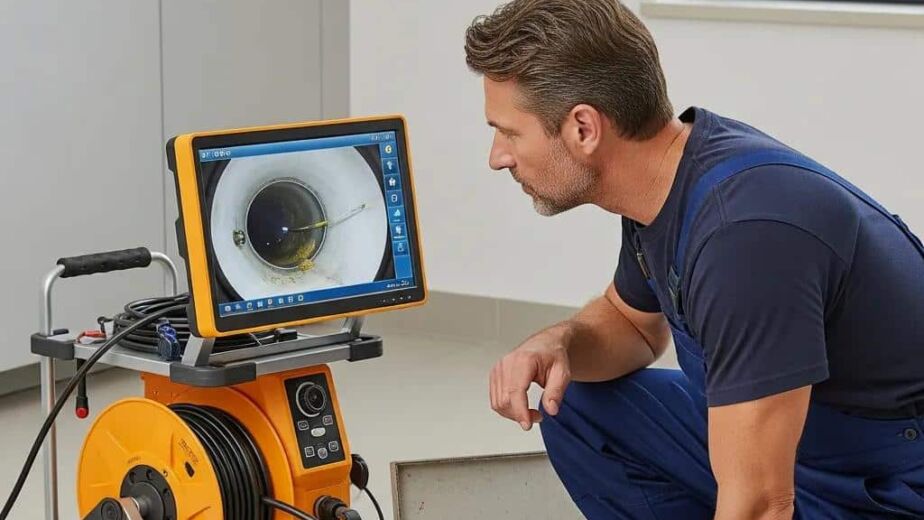
If a recurring sewer blockage is suspected, a camera inspection may also be appropriate. Seeing the inside of the pipe can help distinguish between removable buildup and a structural problem that requires repair.
Hydro Jetting vs Snaking: Which Costs More?
Snaking generally requires less specialized equipment than hydro jetting, so it is usually the less expensive service for a straightforward clog. Hydro jetting typically costs more because it involves specialized high-pressure equipment, additional setup and a more intensive cleaning process.
However, the cheapest service is not always the lowest-cost solution.
If a drain needs to be snaked repeatedly, several smaller service calls can become more expensive than addressing significant buildup with a more comprehensive cleaning method. On the other hand, paying for hydro jetting when a simple hair clog can be cleared with a snake is unnecessary spending.
Your final price can depend on:
- The location and severity of the blockage
- Drain or sewer line size
- Pipe accessibility
- Pipe material and condition
- Length of the line being cleaned
- Whether root removal is required
- Whether inspection or additional repairs are needed
- Emergency or after-hours service requirements
Because these factors vary considerably between Long Island homes and buildings, a reliable quote should be based on the actual plumbing problem rather than a generic price advertised online.

Which Method Is Better For Root Problems?
Hydro jetting can be more effective than basic snaking when roots have entered a drain or sewer line, but root intrusion needs to be treated as more than a simple clog.
A cable machine can cut through root growth and restore flow. Hydro jetting can use pressurized water to remove root material and clean the surrounding pipe.
Neither method repairs a damaged pipe or prevents roots from returning if the underlying access point remains.
If roots are suspected, ask whether the line should be inspected after clearing. That distinction can save you from treating the same symptom repeatedly while the underlying pipe problem continues.
What Should You Choose For A Long Island Property?
Your choice should depend on the type of property, the symptoms and the history of the drain. A homeowner with one blocked shower drain has a very different problem from a property manager dealing with recurring backups across a building.
For a single, uncomplicated clog, snaking is often the sensible starting point. For recurring problems, heavy buildup or a larger drainage line that needs thorough cleaning, hydro jetting may offer better value.
Long Island properties can also vary significantly in age, plumbing materials and drainage layouts. That makes a one-size-fits-all recommendation unreliable. The condition of the actual pipe should guide the decision.
For property managers, repeated drain calls are another reason to look beyond the immediate blockage. Tracking where and how often problems occur can help identify lines that need more comprehensive maintenance rather than repeated emergency clearing.
Common Mistakes to Avoid
Choosing the wrong cleaning method can mean paying twice for the same drainage problem. A little diagnosis before the work begins can make the decision considerably easier.
- Choosing hydro jetting automatically can add unnecessary cost when a simple localized clog can be cleared with a cable, so match the method to the blockage
- Assuming snaking permanently solves every clog can leave buildup behind, so consider a deeper cleaning when the same drain repeatedly slows down
- Ignoring pipe condition can create unnecessary risk with high-pressure equipment, so have older or questionable lines assessed before hydro jetting
- Treating roots as an ordinary clog can leave the underlying pipe issue unresolved, so ask whether the line should be inspected after root removal
- Comparing quotes on price alone can hide differences in scope, so confirm whether the price includes diagnosis, cleaning, equipment and any follow-up work
- Using chemical drain cleaners repeatedly can fail to address the underlying cause, so seek professional assessment when a blockage keeps returning
Frequently Asked Questions
Is Hydro Jetting Better Than Snaking?
Hydro jetting can provide a more thorough pipe cleaning, while snaking is often suitable for simple localized clogs. Neither method is universally better. The right choice depends on the cause of the blockage, pipe condition, location and whether the problem is recurring.
Does Hydro Jetting Remove Roots From Pipes?
Hydro jetting can remove root growth that has entered a drainage line, depending on the severity and pipe condition. However, removing roots does not repair a damaged joint or pipe. If roots keep returning, the underlying pipe condition should be investigated.
Can Snaking Damage A Drain Pipe?
Snaking can pose a risk if used incorrectly, particularly in fragile or compromised plumbing. The suitability of cabling depends on the pipe material, condition and blockage. If you have older plumbing or recurring problems, professional assessment is preferable to repeatedly forcing a cable through the line.
How Often Should You Hydro Jet Your Pipes?
There is no universal hydro jetting schedule for every home or building. Hydro jetting is generally considered when significant buildup, recurring blockages or specific drainage problems justify a deeper cleaning. Routine jetting should be based on the condition and history of the drainage system.
How Much Does Hydro Jetting Cost On Long Island?
Hydro jetting pricing varies by the size and accessibility of the line, blockage severity, pipe condition, equipment required and whether additional inspection or root removal is needed. A professional assessment is the most reliable way to determine the actual cost for your property.
Is Hydro Jetting Safe For Old Pipes?
Hydro jetting may be suitable for some older drainage systems, but pipe condition must be considered before using high-pressure water. Damaged, deteriorated or structurally compromised pipes require additional caution. A professional should select the appropriate pressure and equipment for the pipe being cleaned.
What Is The Main Difference Between Cabling And Hydro Jetting?
Cabling uses a mechanical auger to break through or remove an obstruction. Hydro jetting uses pressurized water to clean material from inside the pipe. Cabling can be effective for isolated clogs, while hydro jetting is often considered when buildup or recurring blockage makes deeper pipe cleaning necessary.
Choose The Right Drain Cleaning Method
The best approach to choosing between hydro jetting vs snaking drains is to match the cleaning method to the actual problem.
At All Island Plumbing, Heating & Cooling, we provide professional drain cleaning and hydro jetting services for homeowners and businesses across Long Island. Our licensed and insured technicians assess the plumbing problem, explain the available options and provide upfront pricing rather than treating every blocked pipe the same way. We also provide 24/7 emergency service for urgent plumbing problems.
Book your high-pressure hydro jetting service today and give your pipes the deep clean they need for better flow, greater peace of mind, and a more reliable drainage system.