
There’s nothing quite as frustrating as stepping into the shower and finding yourself standing in a pool of yesterday’s water. If your shower drain is clogged with standing water, hair, soap scum, body oils, and other debris are often restricting the flow. What starts as a slightly slower drain can quickly turn into water collecting around your feet every time you shower.
A simple hair clog near the drain opening may be something you can clear yourself. But when the water keeps pooling, the drain stays slow after cleaning, or the problem keeps coming back, the blockage may be deeper in the plumbing, including the branch line.
The key is knowing what you’re dealing with before you keep pouring products down the drain or repeatedly try the same DIY fix. Here’s how to identify the likely cause, safely clear a clogged shower drain, and recognize when professional drain cleaning is the smarter next step.
What Causes Shower Drain Clogged Standing Water Issues?
A shower drain clogged standing water halt is commonly caused by hair and soap buildup inside the drain or pipe. Hair catches on existing residue, while soap scum and body oils create a sticky surface that allows more debris to accumulate.
Mineral deposits and foreign objects can also restrict drainage. A blockage close to the drain opening may be relatively easy to remove, while an obstruction farther into the branch line may require mechanical equipment.
If only your shower is draining slowly, start by checking the drain itself. If several bathroom fixtures are affected, the problem may be farther downstream.
How To Clear A Clogged Shower Drain Safely
If you want to clear a clogged shower drain, start with manual removal rather than immediately using chemical drain cleaner.
Remove the drain cover if it can be safely accessed and look for visible hair or debris. Wear gloves and pull out anything you can reach without forcing it deeper into the pipe.
For material just below the opening, a plastic drain-cleaning tool or small hand auger may help. A plunger can also work on some partial clogs when you can create a good seal around the drain.
After clearing the obstruction, run the shower briefly and watch how quickly the water disappears. If drainage remains slow, the blockage may be deeper.
For persistent problems, professional drain cleaning services can address blockages that cannot be reached effectively from the drain opening.

When Is A Shower Clog A Bigger Plumbing Problem?
A shower clog deserves more attention when it keeps returning or affects other fixtures. Multiple slow drains, gurgling sounds, foul odors, or water backing up somewhere else can indicate a blockage farther along the drainage system.
A recurring clog can also mean that removing visible hair only treats part of the problem. Buildup may remain inside the branch line and continue restricting flow.
Pay particular attention if your shower backs up when another fixture is running. That pattern can indicate that the issue is not limited to the shower drain itself.
Common clogged drain warning signs cover symptoms such as slow drainage, odors, gurgling, and water backup that can help you determine when a clog needs professional attention.
How Professional Branch Line Snaking Works
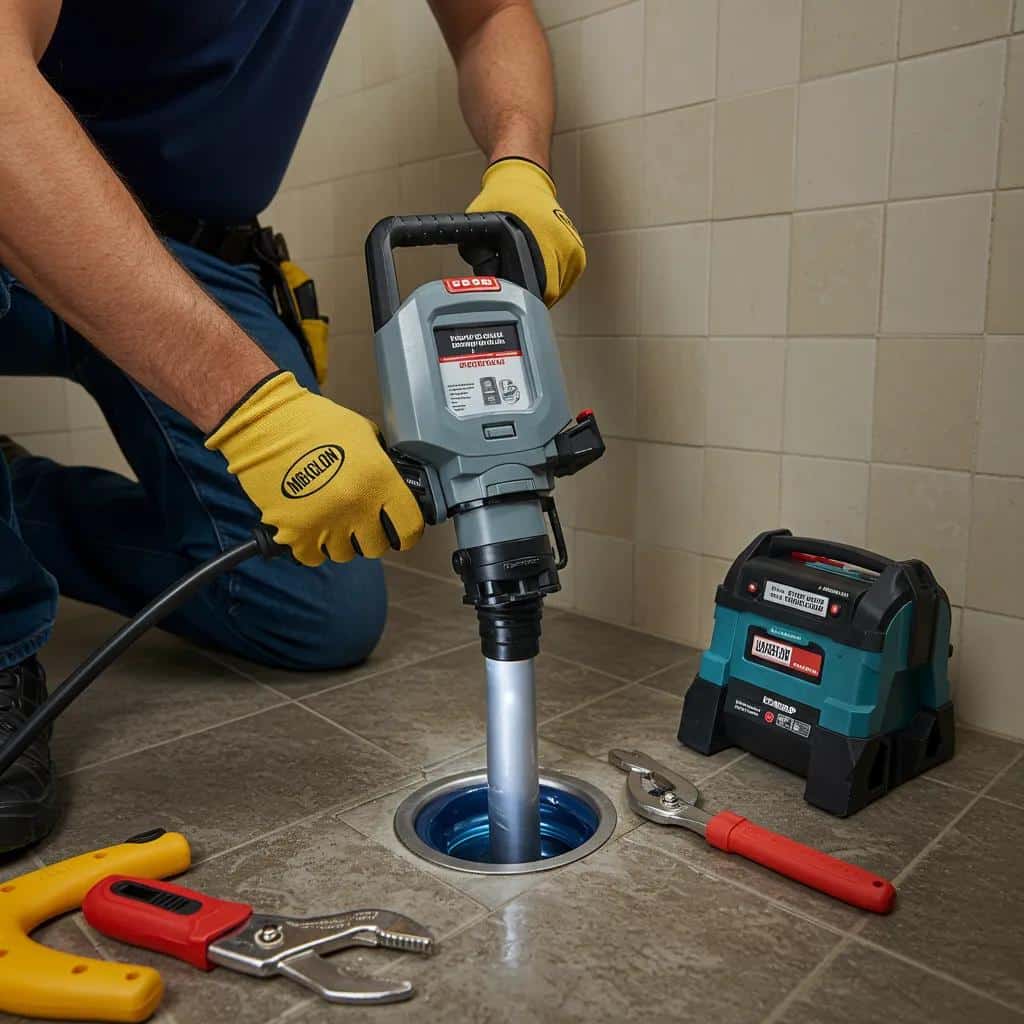
When a clog is deeper in the plumbing, professional drain snaking can reach farther into the line than a basic household tool.
A plumber feeds a flexible cable into the appropriate access point and works it toward the obstruction. The rotating end breaks apart accumulated material or helps remove it, allowing wastewater to flow again.
Snaking is often appropriate for localized blockages such as hair and debris. If a clog repeatedly returns, additional diagnosis may be necessary to determine whether there is buildup, damaged piping, root intrusion, or another underlying problem.
The right method depends on the location and severity of the blockage, so more aggressive cleaning is not automatically better.
When You May Not Need Professional Drain Cleaning
Not every slow shower requires a service call. If the problem is new, only affects the shower, and you can remove a visible hair clog successfully, DIY cleaning may be enough.
You may also reasonably monitor the drain after a successful manual cleaning if water is flowing normally and the problem does not return. An accessible fixture-level clog can sometimes be handled with basic tools, while deeper or recurring blockages may require professional drain snaking to restore proper flow.
Professional service becomes more appropriate when the clog persists, returns quickly, affects multiple fixtures, or causes water to back up elsewhere.
That distinction can save you money while helping you avoid repeatedly treating a problem that is actually deeper in the plumbing.

What Does Shower Drain Cleaning Cost?
The cost of clearing a shower drain depends on the location and severity of the blockage and the equipment required. A simple fixture-level clog can involve less work than a deeper branch-line obstruction requiring professional snaking, inspection, or additional cleaning.
Potential cost factors include:
- Location and severity of the blockage
- Accessibility of the drain or cleanout
- Mechanical snaking requirements
- Video inspection
- Hydro jetting when appropriate
- Condition of the existing pipe
Do not assume that the lowest advertised service price represents the final cost. Ask what the service includes and what happens if the blockage is deeper than expected.
Common Mistakes to Avoid
The wrong approach can turn a manageable drain problem into a more complicated service call. Avoid these common mistakes:
- Forcing tools into the drain: Aggressive use can damage components or push debris farther into the pipe, so work carefully and stop if you encounter unusual resistance
- Repeatedly using chemical cleaners: Chemical products may not remove a physical hair blockage, so consider mechanical removal when the clog persists
- Ignoring recurring slow drainage: A drain that repeatedly slows down may have deeper buildup, so do not treat each episode as an isolated surface clog
- Treating every fixture separately: Several affected drains can point to a downstream blockage, so consider professional evaluation instead of repeatedly treating individual fixtures
- Continuing to use a backed-up shower: Additional water can worsen an existing backup, so limit use until the drainage problem is resolved
How To Prevent Future Shower Clogs
Once your shower is draining normally, a few simple habits can reduce future buildup.
A properly fitted hair catcher can prevent hair from entering the drain in the first place. Clean it regularly rather than allowing collected hair and soap residue to remain on the screen.
You should also pay attention to gradual changes in drainage speed. A shower that takes increasingly longer to drain can provide an early warning that buildup is forming.
If the same drain repeatedly becomes slow despite regular cleaning, having the line evaluated can help determine why the problem keeps returning.
Frequently Asked Questions
Why Is My Shower Drain Full Of Standing Water?
Standing water means wastewater is not moving through the drain quickly enough. Hair and soap buildup are common causes, but a deeper branch-line blockage can also restrict flow. If removing visible debris does not restore normal drainage, the obstruction may be farther inside the plumbing.
How Do You Clear A Clogged Shower Drain With Standing Water?
Start by removing accessible hair and debris from the drain opening. You can then try a plunger or appropriate manual drain tool. If water continues pooling afterward, the obstruction may be deeper and require professional mechanical drain cleaning.
Is Hair The Main Cause Of Shower Drain Clogs?
Hair is a common cause because it can combine with soap residue and body oils inside the pipe. This material can gradually form a dense obstruction. Using a drain screen or hair catcher and cleaning it regularly can reduce how much hair enters the plumbing.
Should You Use Chemical Drain Cleaner On A Shower Clog?
Chemical drain cleaner is not always appropriate for a shower clog. It may not remove a dense physical obstruction and can complicate subsequent plumbing work. Manual removal is preferable for accessible debris, while persistent blockages may require mechanical drain cleaning.
When Should You Call A Plumber For A Clogged Shower Drain?
Call a plumber when basic cleaning does not restore normal drainage, when the clog returns quickly, or when multiple fixtures are affected. Water backing up elsewhere, persistent odors, and gurgling can also indicate a deeper drainage problem that needs professional evaluation.
What Is A Branch Line Clog?
A branch line carries wastewater from individual fixtures toward the larger drainage system. A branch-line clog occurs farther from the fixture drain than a simple surface obstruction. Because it may be difficult to reach with household tools, professional drain snaking may be necessary.
Get Professional Help For A Persistent Shower Clog
If your shower drain is clogged with standing water and basic cleaning has not restored normal flow, the next step is to have the blockage properly assessed.
At All Island Plumbing, Heating & Cooling, we provide drain cleaning and sewer repair services for homeowners across Nassau and Suffolk County. Our licensed and insured technicians can address clogged drains and determine when additional methods such as inspection or hydro jetting are appropriate.
We focus on upfront pricing, responsive service, and solutions suited to the actual plumbing problem rather than simply treating the visible symptom. For urgent backups, our 24/7 emergency plumbing service is available when a shower drain clogged standing water issue becomes an immediate concern.


