
There’s nothing reassuring about watching a drain slowly back up, hearing your toilet gurgle after a shower, or noticing an unpleasant sewage odor in your home. If these problems keep returning, tree roots in sewer line symptoms may be the cause. Roots typically enter through cracks, loose joints, or other weak points while following moisture underground. Once inside, they can grow, collect debris, and gradually restrict wastewater flow.
For Long Island homeowners, especially those with mature trees, established landscaping, or older plumbing, catching the warning signs early can make a frustrating drainage problem easier to address. Understanding what is happening inside your sewer line can help you determine whether you need root removal, sewer cleaning, pipe repair, or a more permanent solution before a recurring blockage turns into a major backup.
What Are The Main Tree Roots In Sewer Line Symptoms?
The most common tree roots in sewer line symptoms include recurring backups, multiple slow drains, gurgling toilets, sewage odors, and drainage problems that return after temporary clearing.
A single slow sink does not necessarily indicate root intrusion. When several fixtures are affected or a backup repeatedly returns, the obstruction may be farther downstream in your main sewer line.
Watch for:
- Multiple drains slowing down at once
- Toilets gurgling when other fixtures drain
- Sewer backups that return after cleaning
- Persistent sewage odors
- Unusually wet ground near the sewer route
- Recurring blockages at a property with mature trees
If persistent drainage problems are affecting your home, drain cleaning services in Long Island can help identify whether roots, grease, debris, pipe deterioration, or another obstruction is responsible.
How Do Tree Roots Get Into Sewer Pipes?
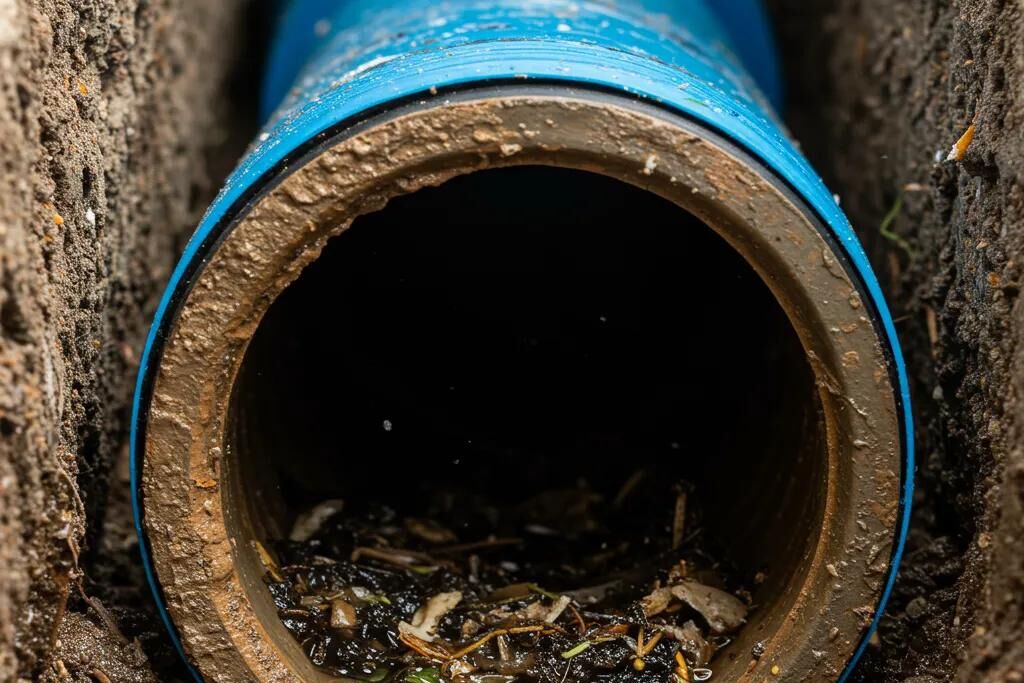
Tree roots generally enter sewer pipes through existing cracks, gaps, deteriorated joints, or other openings. Moisture escaping through a damaged section can attract roots, which then grow through the opening and expand inside the line.
Older plumbing can become more vulnerable as pipes and joints deteriorate. Once roots enter, they can collect toilet paper, grease, and other debris, turning a small opening into a significant blockage.
The U.S. Forest Service notes that root intrusion is more likely in older sewer systems and cracked pipes, particularly where joints or shallow pipes provide opportunities for entry.
How To Remove Tree Roots From Pipes On Long Island
The right way to remove tree roots from pipes in Long Island depends on the extent of the intrusion and the condition of the sewer pipe. A professional diagnosis should come before choosing between mechanical cutting, hydro jetting, repair, or replacement.
Mechanical Root Cutting
A mechanical root cutter breaks through roots inside the pipe and can restore flow when a dense root mass is restricting drainage. The limitation is that cutting does not repair the opening where roots entered. If a crack or separated joint remains, roots can return.
Hydro Jetting
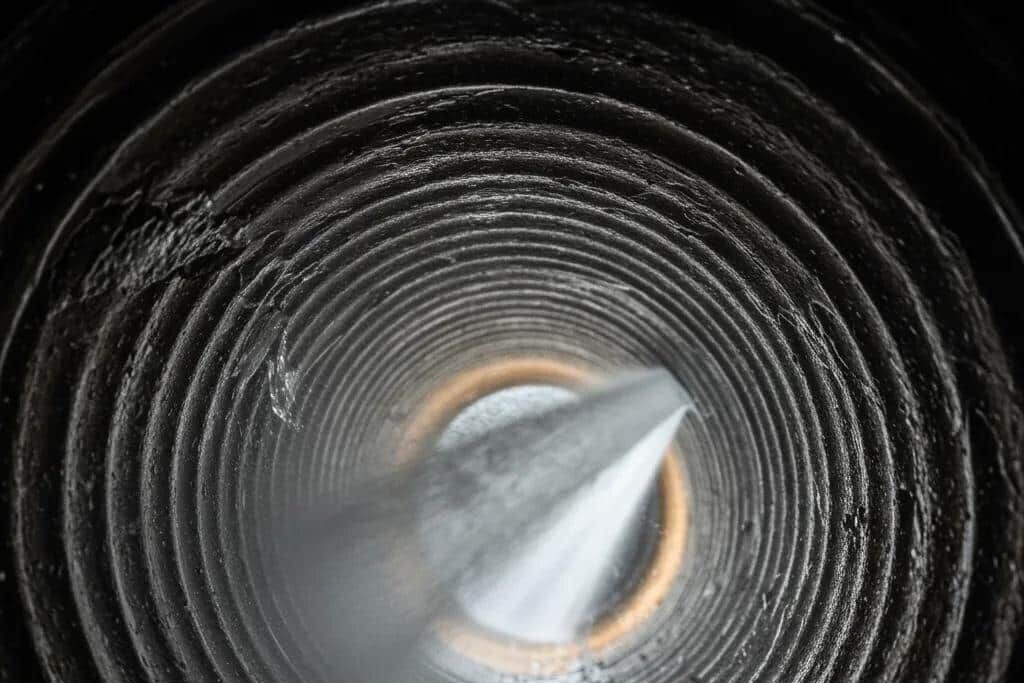
Hydro jetting uses high-pressure water to clear roots and accumulated debris from suitable sewer lines. It can be useful when roots have combined with grease or other buildup.
Hydro jetting is not automatically appropriate for every pipe. Severely deteriorated plumbing may require another approach.
Sewer Camera Inspection
A camera inspection shows what is happening inside the line and can locate the obstruction. It can help distinguish root intrusion from grease buildup, foreign objects, cracks, or separated joints.
This is especially useful when the same blockage keeps returning.
Pipe Repair Or Lining
Root removal addresses the obstruction, but permanent correction may require repairing the section where roots entered. Depending on the pipe’s condition and accessibility, options can include targeted repair, replacement, or trenchless lining.
The inspection helps determine whether root clearing is enough or whether the underlying pipe needs attention.
What Does Professional Root Removal Involve?
A proper root-clearing process should restore drainage while identifying why the roots entered the line.
1. Describe the symptoms: Note which fixtures are affected and whether previous cleaning provided temporary relief.
2. Inspect the sewer line: A camera can locate root intrusion and reveal pipe damage.
3. Clear the obstruction: Mechanical cutting, hydro jetting, or another method may be appropriate depending on the pipe.
4. Evaluate the result: A follow-up inspection can confirm that the obstruction has been cleared.
5. Decide on repair: If the pipe is structurally sound, clearing may be enough. If a crack or separated joint remains, repairing it can provide a more durable solution.

When You May Not Need Root Removal
A slow drain does not automatically mean tree roots have entered your sewer line. If just one sink or shower drains slowly, the blockage may be confined to that fixture’s pipe.
Standard drain cleaning may be enough, particularly if you have no recurring backups, gurgling toilets, sewage odours or problems across multiple fixtures. Trees near your sewer line are not proof of root intrusion either.
Identify the cause first, so you pay for the treatment your drain actually needs.
How Can You Reduce the Risk of Tree Root Intrusion?
Start by knowing where your sewer line runs. Avoid planting trees directly above or close to it, and watch for changes such as slower drains or recurring backups.
If mature trees already grow near the line, periodic camera inspections can help spot root intrusion and pipe damage early. Roots generally enter through existing cracks or leaking joints, so addressing those defects matters as much as managing nearby trees.
You cannot remove every risk, but understanding your pipe’s condition helps you make informed decisions about maintenance.
Common Mistakes to Avoid
Recurring root problems can become more expensive when the underlying cause is overlooked.
- Repeatedly Clearing The Same Blockage: Temporary clearing may restore drainage without addressing a damaged pipe, so determine why the obstruction keeps returning
- Assuming The Tree Is The Only Problem: Roots often enter through an existing pipe weakness, so inspect the sewer line rather than simply blaming nearby landscaping
- Using Chemical Drain Cleaners: Chemical products are not a reliable solution for a root-filled sewer line, so use professional clearing when roots are suspected
- Skipping A Camera Inspection: Clearing a blockage without locating the root intrusion can make long-term repair decisions harder
- Waiting For A Complete Backup: Recurring warning signs can precede a more serious blockage, so address persistent symptoms before wastewater enters the home
Frequently Asked Questions
Can Tree Roots Completely Block A Sewer Line?
Yes. Roots can grow through openings and form dense masses that catch wastewater debris. As the mass expands, water flow can become increasingly restricted. If the obstruction is not addressed, the line may eventually become completely blocked.
Will Hydro Jetting Remove Tree Roots From A Sewer Line?
Hydro jetting can remove roots and accumulated debris from suitable sewer lines, but it is not appropriate for every pipe. Severely damaged or deteriorated plumbing may require another approach. An inspection can help determine whether the line can be safely cleaned or needs repair.
Do I Need To Remove The Tree If Roots Enter My Sewer Line?
Not necessarily. The immediate issue is usually the sewer pipe and the opening that allowed roots to enter. Removing a tree does not automatically repair a cracked or separated pipe. First determine where the intrusion occurred and whether the line needs repair.
How Long Does Tree Root Removal Last?
There is no universal timeframe because recurrence depends on the pipe’s condition and the original entry point. If roots are cleared but a crack or separated joint remains, they may return. Addressing the underlying pipe defect can provide a more durable solution.
Is Tree Root Intrusion Common In Older Long Island Homes?
Older Long Island properties can be more vulnerable when aging underground plumbing is combined with mature landscaping. However, the age of your home or proximity of trees does not prove root intrusion. An inspection can determine whether roots are actually causing the recurring sewer problem.
What Affects The Cost Of Tree-Root Removal?
There is no single price for tree-root removal. Costs can vary based on the location of the blockage, root density, cleaning method, pipe condition, inspection requirements, and whether sewer line repair or replacement is necessary.
Schedule Tree Root Clearing & Sewer Repair
Tired of dealing with the same slow drain or sewer backup? At All Island Plumbing, Heating & Cooling, we help homeowners across Nassau and Suffolk County understand what is causing the problem and what to do next.
Our licensed and insured technicians provide drain cleaning, root clearing and sewer repair, with upfront pricing and clear explanations of your options. We recommend solutions based on your plumbing’s condition, with 24/7 emergency service when you need urgent help.
Don’t let tree roots in sewer line symptoms leave you uncertain about your next step. Contact All Island for help understanding the problem and your repair options, so you can move forward with confidence in caring for your home.


