
If you have a clogged kitchen sink water backing up in other sink, you’re probably dealing with more than an annoying slow drain. One minute, you’re washing dishes, and the next, dirty water is rising in the basin you weren’t even using. In a double-basin sink, this usually happens because both sides share a common drainage path, so a blockage farther down the line can force wastewater back through the opposite drain.
Grease, food debris, and garbage disposal residue are common causes, especially when buildup has been accumulating inside the pipe. A minor clog may clear with the right plunging technique, but repeated backups can signal a deeper restriction that needs professional attention.
Knowing what is causing the backup can help you decide whether to keep troubleshooting or call for drain clearing before the problem gets messier.
Why Is Clogged Kitchen Sink Water Backing Up In Other Sink?
A clogged kitchen sink water backing up in other sink usually means a restriction has formed in the shared drain line. Although the two basins look separate, their drainage paths eventually connect.
When you run water into one basin, it normally travels into the shared pipe and continues downstream. If that pipe is blocked, the water has nowhere to go and can rise through the opposite basin instead.
If water from the garbage disposal side rises in the other basin, the blockage may be downstream of where the two drains connect. Repeatedly treating only one drain may therefore fail to resolve the problem.
What Causes A Double Sink Clog?
The most common causes include kitchen drain grease buildup, food particles, garbage disposal waste, and debris inside the shared drain line.
Grease And FOG Buildup
Fats, oils, and grease, often called FOG, can create stubborn kitchen blockages. Grease may enter the drain as a liquid but cool inside the plumbing and stick to pipe walls. Food particles can then become trapped in the residue, making the obstruction worse.
Avoid pouring cooking oil, bacon grease, butter, or pan drippings down the sink, even if you have a garbage disposal.
Garbage Disposal Waste
A garbage disposal does not make every type of food waste safe for your plumbing. Large amounts of food scraps, fibrous materials, coffee grounds, and grease can contribute to blockages in the disposal line or shared drain.
If running the disposal immediately causes water to rise in the opposite basin, the issue may be a downstream drainage restriction rather than a faulty disposal.

What Can You Try Before Calling A Plumber?
For a minor, recent clog, try plunging the affected basin while sealing the other drain. This directs pressure toward the blockage instead of allowing it to move between the two bowls.
Remove standing water if possible, place a sink plunger over one drain, and tightly seal the second drain with a stopper or wet cloth. If your sink has a garbage disposal, never put your hands inside it.
Avoid repeatedly using harsh chemical drain cleaners. They may not remove substantial grease buildup and can create additional hazards if the plumbing later needs to be opened.
If plunging does not restore normal drainage, the blockage may be deeper in the shared drain.
When Does A Kitchen Sink Clog Need Professional Clearing?
Professional drain service makes sense when the backup persists after basic troubleshooting, returns quickly, or affects other fixtures. These signs can indicate an obstruction that is too deep or substantial for a plunger.
Consider professional clearing if you notice:
- Both sink basins backing up repeatedly
- Water rising when the garbage disposal runs
- Slow drainage that returns after plunging
- Gurgling or unusual drain sounds
- Persistent foul odors
- A clog that repeatedly returns
- Water backing up from another fixture
The blockage may be in the P-trap, shared branch drain, or farther downstream. Professional drain cleaning and sewer repair services can address blockages that basic household methods cannot resolve.
You do not necessarily need professional service for every slow sink. A minor clog that clears completely with appropriate plunging may not require a service call. Recurring or severe backups are different.
How Does Professional Drain Clearing Work?
Professional clearing starts by determining where the blockage is located rather than simply forcing water through the nearest opening.
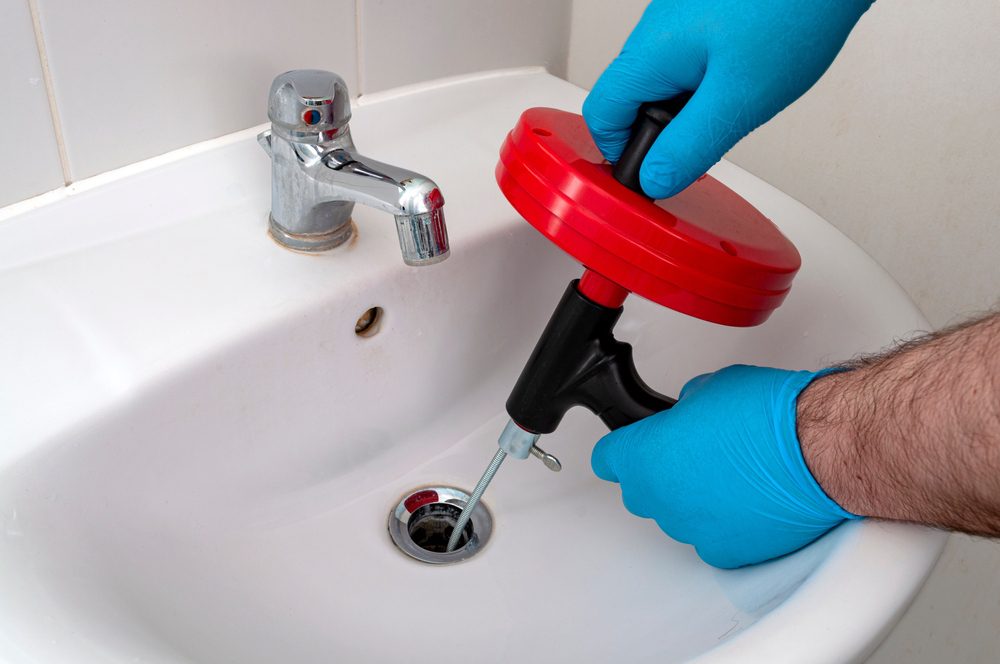
A technician can inspect the accessible plumbing beneath the sink and assess the connection between the two basins. If the blockage extends beyond the trap or branch line, specialized drain-clearing equipment can reach deeper into the system.
For stubborn grease or recurring blockages, more intensive cleaning may be appropriate. Hydro jetting uses high-pressure water to clean buildup from compatible drain and sewer pipes, although it is not necessary for every kitchen sink clog.
Video inspection can also help when a blockage repeatedly returns or there is concern about damaged or obstructed piping.

What Affects Kitchen Drain Cleaning Cost?
The cost of clearing a kitchen drain depends on the blockage location, severity, accessibility, and equipment required. A straightforward sink clog is generally less involved than a deep branch-line obstruction.
Before approving extensive work, ask what the quote includes and whether diagnostic work or additional equipment could affect the final price.
Potential cost factors include:
- Depth and severity of the blockage
- Accessibility of the affected drain
- Mechanical drain-clearing equipment
- Video inspection or hydro jetting
- Branch-line or sewer work
- Pipe repair or replacement
An accurate quote requires evaluating the specific plumbing problem.
How Can You Prevent Kitchen Drain Grease Buildup?
Keeping grease and problematic food waste out of the drain can reduce recurring kitchen clogs. Allow cooking grease to cool and dispose of it appropriately rather than washing it down the sink.
Scrape heavy food residue into the trash before washing dishes, use a drain strainer to catch particles, and follow your garbage disposal manufacturer’s recommendations.
Also pay attention to slower-than-normal drainage. A sink that increasingly takes longer to empty can indicate buildup before a complete blockage develops.
Common Mistakes to Avoid
A few common responses can make a kitchen clog harder to resolve or create unnecessary risks.
- Pouring grease down the drain: Grease can cool inside the plumbing and contribute to buildup, so dispose of cooking grease separately
- Using the disposal as a trash can: Large or unsuitable food waste can contribute to blockages, so follow the manufacturer’s recommendations
- Plunging without sealing the second basin: An open drain lets pressure escape, so seal the opposite basin when plunging
- Using harsh chemical cleaners repeatedly: They may not remove substantial blockages and can create hazards during drain work
- Ignoring recurring slow drainage: A temporary improvement does not necessarily mean the buildup is gone, so address repeated clogs
- Reaching into a garbage disposal: A disposal can cause serious injury, so never put your hand inside it while troubleshooting
Frequently Asked Questions
Can A Clogged Kitchen Sink Affect The Dishwasher?
Yes. A kitchen sink drain blockage can interfere with dishwasher drainage because the dishwasher often drains through a connection to the kitchen sink plumbing. If water backs up into the sink during a dishwasher cycle, stop using the dishwasher until the drain issue is resolved to prevent further backup.
Why Does My Kitchen Sink Back Up Only When The Dishwasher Runs?
If your kitchen sink backs up only when the dishwasher runs, the shared drain may be partially blocked or unable to handle the discharged water. Check whether the sink drains normally at other times. If the problem persists, a plumber can inspect the connection and downstream piping.
Can A Clogged Kitchen Sink Cause Water To Leak Under The Cabinet?
Yes. A blockage can cause water to collect around drain connections, exposing loose fittings, worn seals, or damaged pipes. Check beneath the sink for moisture, pooling water, or cabinet damage. If you find an active leak, stop running water and arrange an inspection to prevent further damage.
How Long Does Professional Kitchen Drain Cleaning Take?
A straightforward kitchen sink clog may be cleared in a relatively short service visit, while deeper or recurring blockages can take longer to diagnose and resolve. The time depends on the obstruction’s location, severity, accessibility, and whether additional inspection or repairs are necessary.
Will A Garbage Disposal Need To Be Replaced If The Sink Keeps Backing Up?
Not necessarily. A recurring backup often points to a drainage restriction rather than a failed disposal. If the disposal still operates normally, the problem may be in the discharge pipe or shared drain. A technician can determine whether cleaning, repair, or replacement is appropriate.
Can A Kitchen Sink Clog Clear Up On Its Own?
A minor obstruction may shift temporarily, allowing water to drain again, but that does not mean the pipe is fully clear. Grease and food residue can remain inside the drain and cause another backup. If the problem returns, have the drainage system checked rather than relying on temporary improvement.
Get Fast Local Drain Service From All Island HVAC
A persistent kitchen sink backup can disrupt your routine and may point to a blockage that needs more than a quick fix.
At All Island HVAC, we provide plumbing services for homeowners throughout Nassau and Suffolk Counties, including 24/7 emergency plumbing service when a serious backup cannot wait. Our licensed and insured technicians provide upfront pricing and handle problems ranging from clogged drains to broader plumbing repairs.
We focus on identifying the blockage and selecting the appropriate solution for your plumbing system rather than relying on temporary fixes. When your kitchen drain needs professional attention, contact our local plumbing team for help.
If you have a clogged kitchen sink water backing up in other sink, determine whether you are dealing with a minor obstruction or a deeper shared drain blockage. If basic plunging does not restore normal flow, professional drain clearing can address the underlying restriction.


